July 29, 2026
Retaining walls are a crucial element in landscape architecture, offering both functional and aesthetic benefits. This article explores the various ways retaining walls add long-term value to outdoor spaces. From enhancing the visual appeal to improving soil retention, they serve multiple purposes. Understanding their benefits can help in making informed decisions for property enhancement. By looking at different aspects, we can appreciate the integral roles they play in both residential and commercial properties.
1. Erosion Control and Soil Retention
A. Preventing Soil Erosion
One of the primary roles of retaining walls is to prevent soil erosion, especially in areas with significant rainfall. They act as barriers that hold the soil in place, preventing it from being washed away during heavy rains. This feature is particularly beneficial in maintaining the topsoil, which is rich in nutrients essential for plant growth. The construction of these walls helps avoid the loss of fertile soil, thus supporting sustainable landscaping practices. By curbing erosion, retaining walls also reduce the risk of landslides in hilly or sloped terrains.
B. Maintaining Landscape Architecture
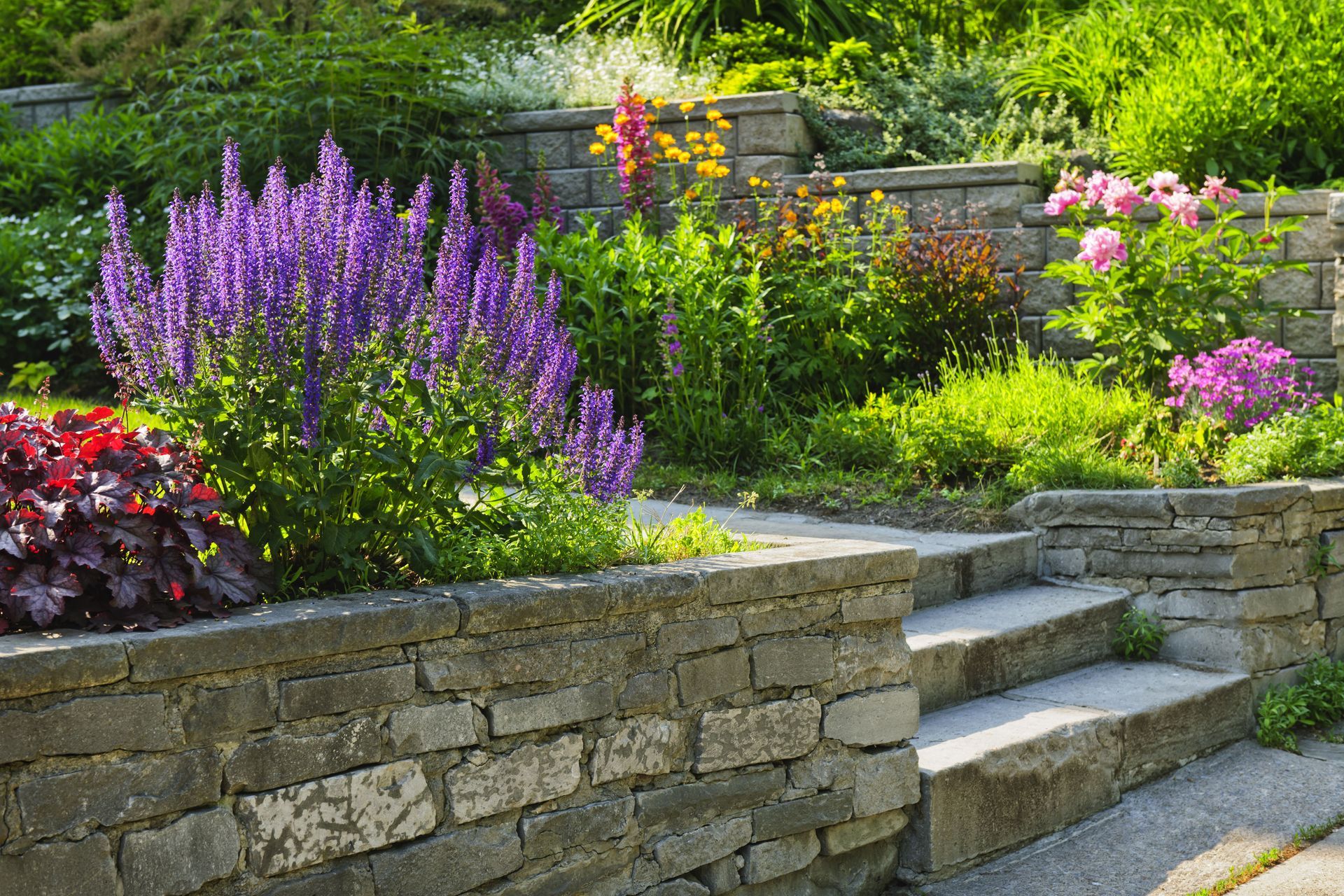
Retaining walls are instrumental in maintaining the landscape architecture of a property. They support various levels of the garden or outdoor space, ensuring stability and structure. The walls provide a defined space for different soil levels, which helps in creating tiered landscapes. Such landscapes add depth and character to outdoor spaces, making them more visually appealing. By retaining soil in its designated areas, these walls preserve the intended design and help maintain the coherence of the overall layout.
C. Protecting Foundations and Structures
The integrity of buildings and other structures can be compromised if the surrounding soil is unstable. Retaining walls help protect these structures by providing support, preventing soil movement that can lead to foundation damage. The stability offered by retaining walls ensures that the foundations remain intact, thereby reducing repair and maintenance costs over time. This protective function is essential for homes built on slopes or uneven ground. The walls act as a safeguard, preserving both the property and the land it is built upon.
D. Enhancing Soil Stability
Soil stability is enhanced by the strategic placement of retaining walls, which promote uniformity in pressure across the soil mass. The construction of these walls reduces lateral soil pressure, mitigating the risk of soil failure. The design and materials used in these walls ensure that they can withstand various climatic and environmental conditions. As a result, retaining walls contribute significantly to the stability of the land, ensuring long-term usability. This level of stability is crucial for landscapes prone to shifts and movements due to weather changes.
E. Creating Functional Spaces in Hilly Areas
Hilly and sloped terrains present unique challenges when it comes to landscape design. Retaining walls allow for the transformation of these areas into functional spaces. By creating flat terraces, they enable the use of land that would otherwise be unusable. These terraces can serve myriad purposes, including gardens, play areas, or additional outdoor living spaces. Consequently, retaining walls maximize the potential of properties situated in challenging geographical areas.
2. Enhancing Aesthetic Appeal
A. Complementing Existing Landscape Features
Retaining walls can be designed to complement existing landscape features, thereby enhancing the overall aesthetic appeal of a property. With various materials and finishes, they can seamlessly integrate with the surrounding environment. Whether constructed from stone, wood, or concrete, retaining walls add a layer of sophistication to outdoor spaces. By complementing other landscape features, these walls contribute to the cohesion and harmony of the design. As a result, they elevate the visual interest of the property, making it more inviting and attractive.
B. Offering Diverse Material and Design Choices
One of the remarkable aspects of retaining walls is the diversity of materials and designs available. This variety allows homeowners and landscapers to choose options that best fit their aesthetic preferences and functional needs. Natural stone offers a rustic and timeless look, while modern materials like concrete can provide sleek and clean lines. With myriad colors, textures, and finishes, retaining walls can be customized to establish different visual themes. This flexibility ensures that the wall is not just functional but also an integral part of the landscape’s esthetic narrative.
C. Highlighting Focal Points
Retaining walls can also serve as focal points in landscape design, drawing attention to specific areas or features. By incorporating elements like lighting or water features, these walls can transform into striking visual attractions. They can be used to delineate spaces, such as seating areas or garden beds, creating distinct zones within a landscape. This strategic placement enhances the landscape's aesthetic appeal, giving it a well-planned and organized look. By accentuating certain areas, retaining walls help in showcasing the most attractive parts of an outdoor space.
D. Utilizing Retaining Walls as Decorative Features
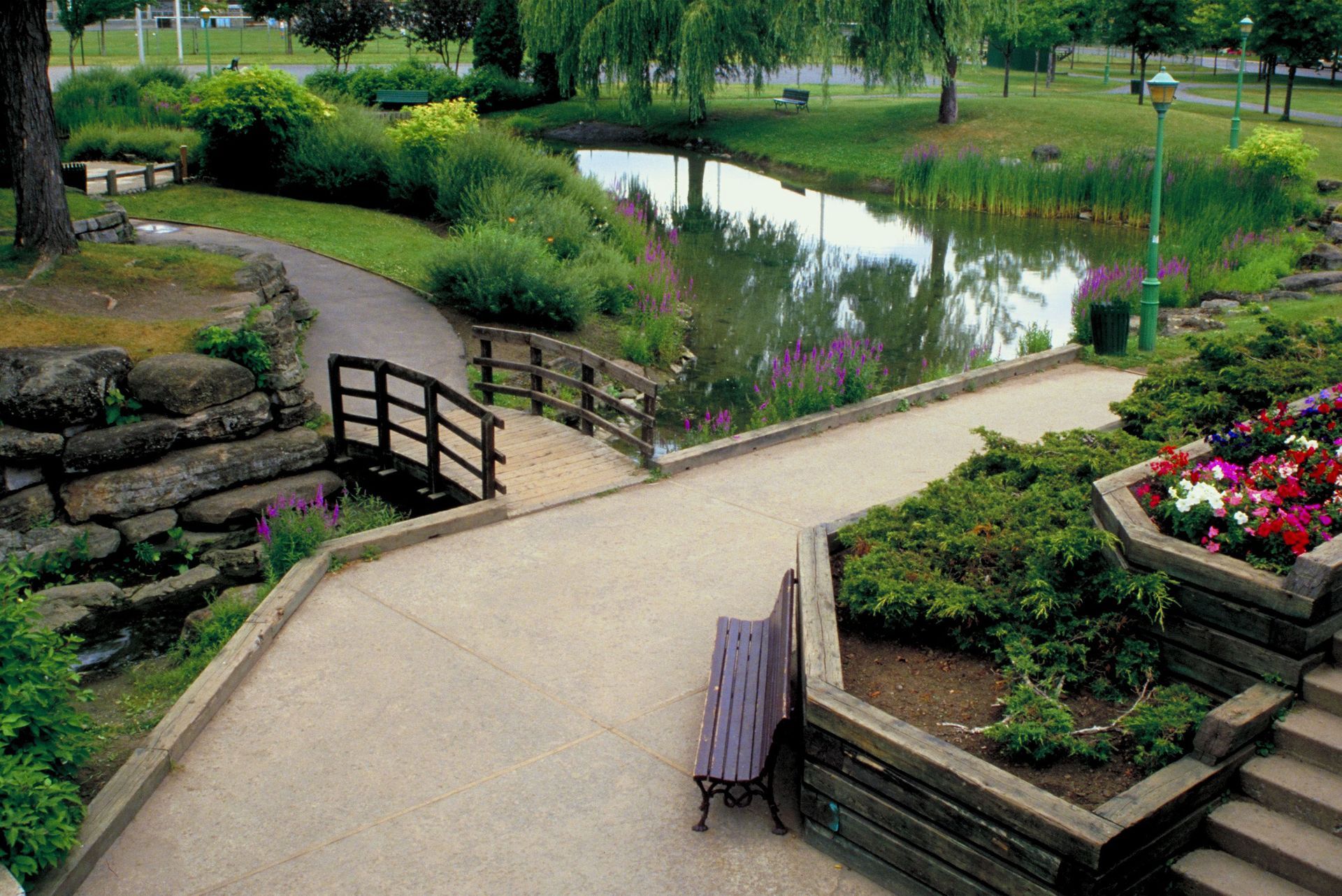
In addition to their practical uses, retaining walls can also serve as decorative features within a landscape. They can be adorned with planters, vines, or artistic elements like sculptures and mosaics. This decorative approach adds personality and character to outdoor spaces, making them more enjoyable and expressive. By serving as canvases for creativity, retaining walls enhance the aesthetic value of a property. Their adaptability in design means they can evolve with trends, ensuring they remain stylish and appealing over time.
E. Integrating with Natural Scenery
The effective integration of retaining walls with natural scenery is another key benefit. By using natural materials or earth-toned finishes, these walls can blend seamlessly with their environment. This harmony enhances the natural beauty of a property, providing a backdrop that highlights the landscape's features. Such integration is particularly important in rural or rustic settings, where maintaining a natural look is desirable. By connecting with the surrounding scenery, retaining walls contribute to a holistic and unified landscape design.
3. Increasing Usable Land
A. Terrace Creation for Gardening
Retaining walls are invaluable for creating terraces on sloped land, making areas suitable for gardening. These terraces provide multiple levels of planting space, enabling the cultivation of diverse plant species. This not only enhances the functionality of the land but also increases its visual diversity. Terraces can also be designed to optimize sunlight exposure for plants, improving their growth conditions. By transforming unenclosed land into organized tiers, retaining walls expand gardening opportunities and productivity.
B. Expanding Outdoor Recreation Areas
By modifying landforms, retaining walls expand the potential for outdoor recreation areas. They can create flat surfaces where patios, play zones, and sports facilities can be established. This is particularly advantageous for families looking to increase recreational opportunities without sacrificing existing landscape elements. Well-designed retaining walls can seamlessly integrate these recreational areas with the surrounding landscape. As a result, property owners can maximize the usability of their space, enhancing its value and appeal.
C. Converting Sloped Land into Flat Spaces
In many properties, sloped land can pose a significant challenge in terms of usability. Retaining walls offer a practical solution by converting these slopes into flat, functional spaces. This transformation opens up new possibilities, such as gardens, lawns, or additional building areas. The newly created flat space can also contribute to improved accessibility, making it easier to navigate the property. By increasing the usable flat area, retaining walls significantly enhance the property's functional value.
Retaining walls are more than just landscape features; they are integral to creating durable, attractive, and functional outdoor spaces. According to LawnStarter, retaining walls over 4 feet tall usually require permits, although some local jurisdictions also require permits for shorter structures. By understanding the multifaceted benefits retaining walls offer, homeowners and developers can make informed decisions that add substantial long-term value. These structures significantly enhance erosion control, aesthetics, property usability, and sustainability, all while providing economic benefits. Their implementation aligns with both practical and environmental goals, offering continuing value over time. Whether for residential or commercial properties, retaining walls contribute to well-rounded and effective landscape solutions. Be sure to reach out to Anderson Dock & Lift Co today to learn more about our professional retaining walls!