February 2, 2026
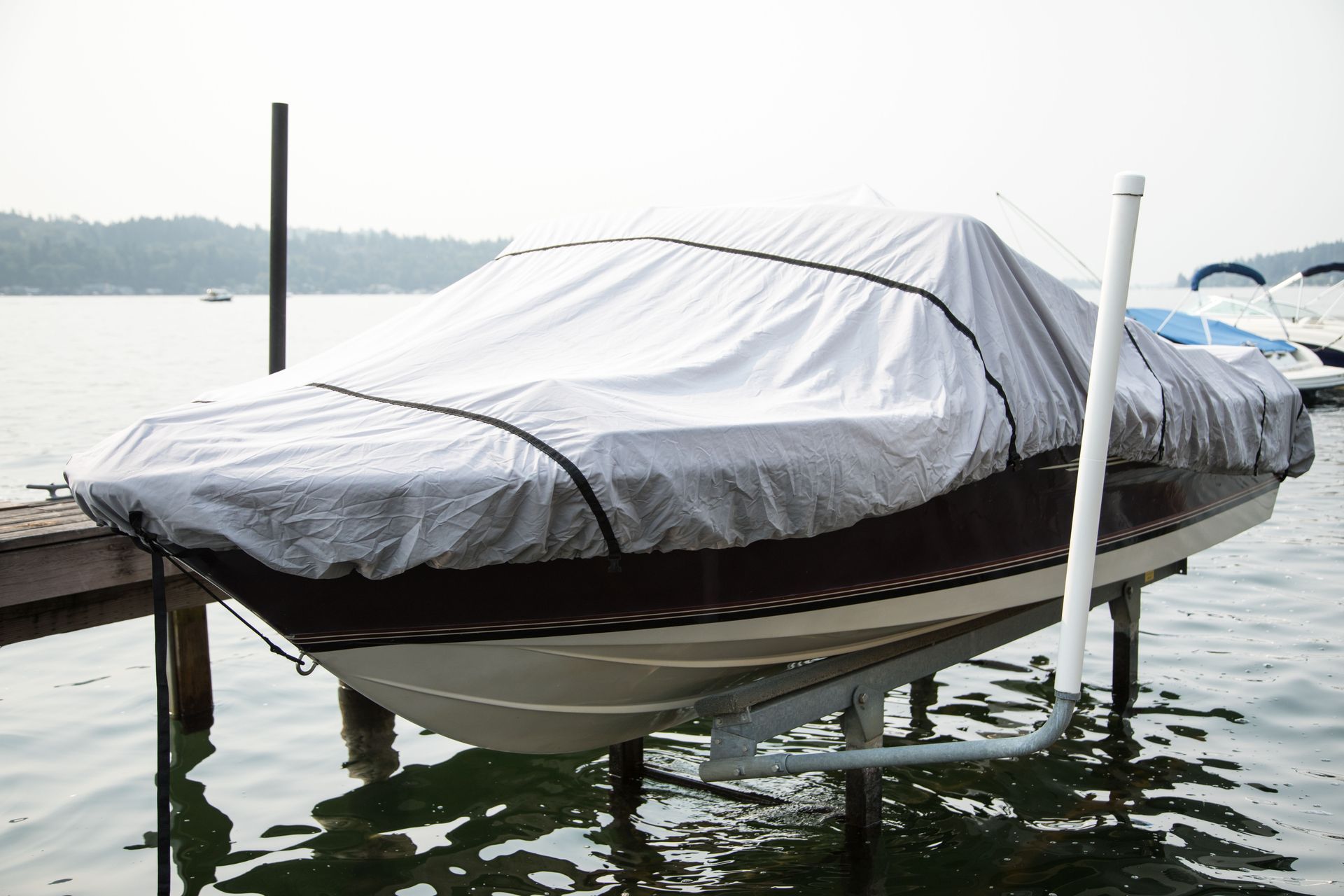
A well-maintained waterfront setup protects both your vessel and your investment. Routine care not only improves performance but also helps prevent expensive repairs and premature replacement. With consistent attention and professional insight, your boat lift can deliver dependable service for many years.
Inspect Structural Components Regularly
Routine visual inspections are the foundation of effective maintenance. Begin by examining the frame, bunks, cradle, and mounting hardware for signs of wear, corrosion, or misalignment. Small issues such as loose bolts or minor rust can quickly escalate into structural failures if left unaddressed. Pay special attention to welds, joints, and weight-bearing components, as these areas endure the most stress over time.
Seasonal changes, wave action, and fluctuating water levels can shift components out of alignment. Inspections should be performed at least at the start and end of each boating season, with additional checks after severe weather events. Catching problems early allows for targeted repairs that protect the integrity of your boat lift and reduce long-term costs.
Clean Cables, Pulleys, and Moving Parts
Dirt, algae, and mineral buildup can compromise the smooth operation of lifting mechanisms. Steel cables are especially vulnerable to corrosion, which weakens their load-bearing capacity and increases the risk of failure. Regular cleaning removes abrasive debris that accelerates wear and reduces efficiency.
Use fresh water and a non-corrosive cleaner to rinse pulleys, rollers, and guideposts. Avoid harsh chemicals that may degrade protective coatings. After cleaning, ensure all moving parts operate freely without resistance or grinding. Maintaining clean components helps extend the operational lifespan and improves the reliability of your lift during daily use.
Lubricate Mechanical Systems Properly
Lubrication minimizes friction and prevents premature wear in mechanical systems. Gears, pulleys, winches, and pivot points all rely on proper lubrication to function smoothly under load. Without it, metal-to-metal contact accelerates degradation and increases strain on motors and cables.
Use manufacturer-recommended lubricants designed for marine environments. These products resist washout and provide long-lasting protection against moisture and corrosion. Apply lubrication consistently according to a maintenance schedule rather than waiting for components to show signs of distress. Proper lubrication ensures smoother operation and reduces stress on your boat lift system.
Monitor Electrical and Hydraulic Components
For lifts equipped with motors or hydraulic systems, electrical integrity is critical. Inspect wiring for fraying, exposed conductors, or loose connections that could pose safety hazards. Control switches and remote systems should respond promptly without lag or inconsistency.
Hydraulic lifts require close attention to fluid levels, hoses, and seals. Leaks not only reduce lifting efficiency but can also contaminate the surrounding water. Addressing electrical or hydraulic issues early prevents system failures that can lead to costly downtime and repairs. A proactive approach safeguards both functionality and safety.
Protect Against Corrosion and Environmental Damage
Waterfront equipment is constantly exposed to moisture, UV radiation, and temperature fluctuations. These elements can deteriorate metal components and degrade finishes over time. Applying corrosion-resistant coatings or galvanization treatments helps shield exposed surfaces from environmental damage.
In saltwater environments, corrosion occurs more rapidly and demands increased vigilance. Rinse components with fresh water whenever possible and schedule more frequent inspections. Protecting your boat lift from environmental stressors preserves its structural integrity and aesthetic appearance.
Adjust for Seasonal and Water Level Changes
Seasonal shifts can significantly impact lift performance. Changes in water levels may alter weight distribution and strain certain components. Ice formation in colder climates can exert damaging pressure on frames and cables if lifts are not properly adjusted or removed.
Before winter, lower the lift to a safe position or remove it entirely if recommended by the manufacturer. In spring, recalibrate alignment and tension before placing your vessel back on the system. Adapting maintenance routines to seasonal conditions reduces the risk of weather-related damage.
Replace Worn Parts Before Failure Occurs
All mechanical systems experience wear, even with meticulous care. Cables, pulleys, bushings, and bearings have finite lifespans and should be replaced according to manufacturer guidelines rather than waiting for visible failure. Preventive replacement minimizes downtime and protects your vessel from sudden malfunctions.
Keeping detailed maintenance records helps track service intervals and anticipate future needs. Investing in timely replacements is far more cost-effective than addressing catastrophic breakdowns that compromise safety and performance.
Verify Load Capacity and Proper Use
Overloading is a common cause of premature lift failure. Ensure that the lift’s rated capacity comfortably exceeds the weight of your vessel, including fuel, equipment, and accessories. Repeatedly operating at or near maximum capacity accelerates wear on cables, motors, and structural components.
Proper boat positioning also matters. Uneven weight distribution places unnecessary strain on specific areas, increasing the risk of bending or misalignment. Following manufacturer guidelines for usage protects the system and extends the life of your boat lift.
Schedule Professional Inspections Annually
While routine owner maintenance is essential, professional inspections provide an added layer of protection. Experienced technicians can identify issues that may not be immediately visible, such as internal cable fatigue or subtle frame distortion. Annual service visits often include tension adjustments, load testing, and performance optimization.
Professional oversight is especially valuable as waterfront infrastructure continues to evolve. According to PR Newswire, the global boat docks and lifts market is estimated to increase by $266 million between 2024 and 2028. This growth reflects increased demand for reliable, well-maintained marine systems, making expert care more important than ever.
Keep Documentation and Manufacturer Guidelines Accessible
Every lift system is designed with specific tolerances and maintenance requirements. Keeping manuals, warranty information, and service records readily available ensures that maintenance tasks align with manufacturer recommendations. This documentation is invaluable when troubleshooting issues or ordering replacement parts.
Following prescribed guidelines helps maintain warranty coverage and ensures compatibility between components. Clear records also provide peace of mind when transferring ownership or scheduling professional service.
Maintain Surrounding Dock and Shoreline Conditions
The condition of nearby docks, pilings, and shoreline structures directly affects lift performance. Shifting docks or eroding shorelines can introduce instability that transfers stress to the lift system. Regularly inspect adjacent infrastructure and address issues promptly.
Maintaining a stable environment reduces unexpected strain and supports consistent operation. A well-maintained waterfront setup enhances safety, usability, and the long-term reliability of your lift.
Educate Users on Proper Operation
Consistent maintenance is only effective when paired with correct usage. Ensure that anyone operating the lift understands proper procedures, including load limits, control operation, and emergency shutdown protocols. Misuse by uninformed users can undo even the most diligent maintenance efforts.
Clear signage and basic training reduce the risk of accidental damage. Educating users protects equipment, improves safety, and helps preserve system performance over time.
Plan for Long-Term Upgrades and Improvements
Technology and materials continue to improve within the marine industry. Periodically evaluating upgrade options—such as improved motors, corrosion-resistant components, or automation features—can enhance performance and extend service life. Strategic upgrades often cost less than full replacement while delivering meaningful benefits.
Planning ahead allows owners to budget for improvements and align them with evolving needs. Staying proactive ensures your system remains efficient, safe, and compatible with future demands.
A thoughtful maintenance strategy is one of the most effective ways to protect your waterfront investment. By combining regular inspections, proper cleaning, timely repairs, and professional support, you can significantly extend the lifespan of your boat lift. If you are looking for a reliable marine solution company, contact Anderson Dock & Lift Co today to learn more and get started!