May 28, 2026
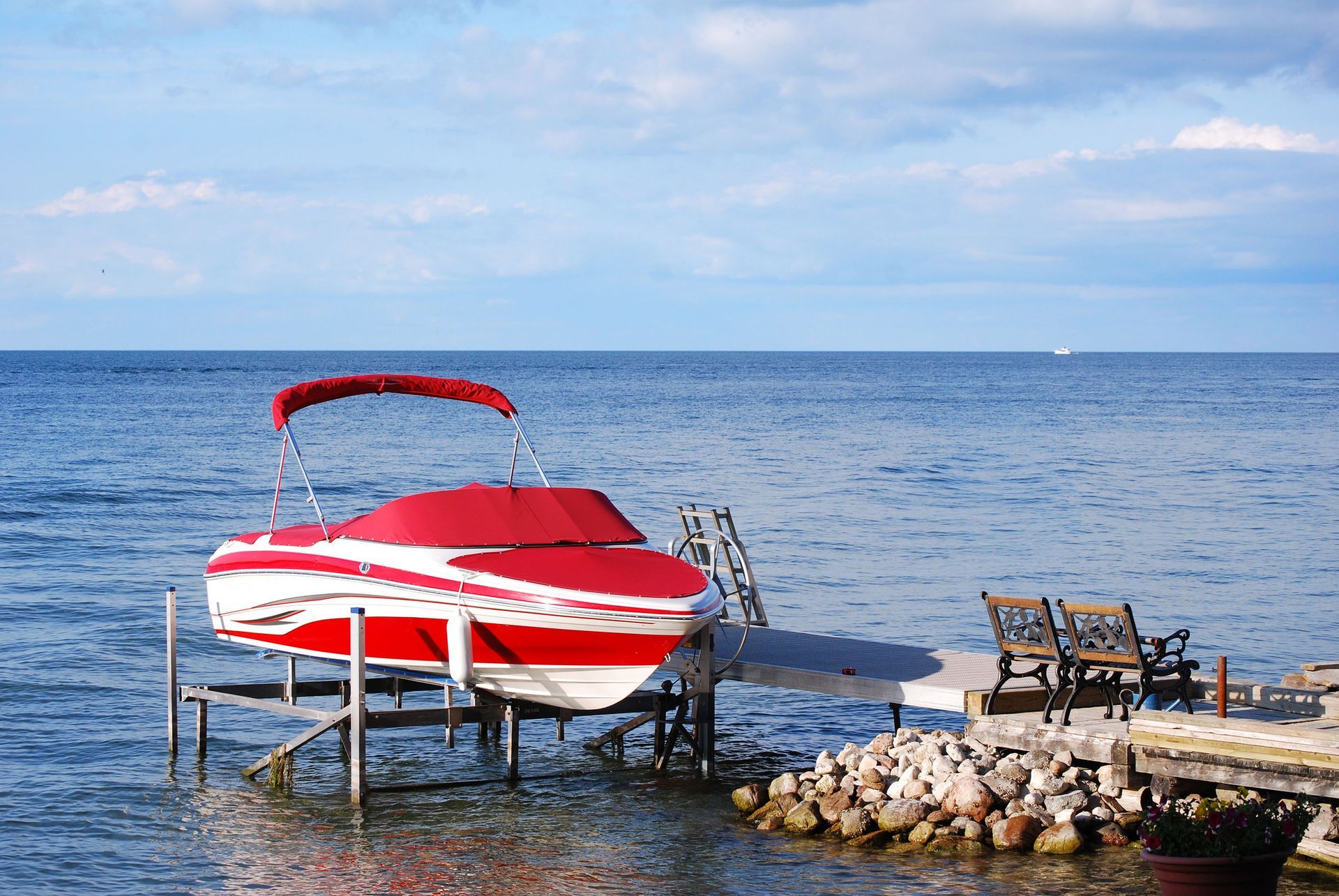
Owning a watercraft brings an incredible sense of freedom, but it also comes with the responsibility of keeping your investment safe from the elements. Leaving a vessel sitting in the water continuously can lead to hull blistering, algae growth, and structural wear from constant wave movement. Utilizing mechanical systems to elevate your watercraft completely out of the water when it is not in use is an excellent way to preserve its longevity and performance. However, selecting the right equipment requires a clear understanding of the engineering standards and metrics used to evaluate these systems. Knowing how these structures are evaluated ensures that you select a setup that offers maximum safety and reliability for your specific vessel.
The Core Metric of Weight Capacity
The primary factor in evaluating any marine hoist system is its total weight capacity, which dictates the maximum load the structure can safely handle without experiencing mechanical failure. Manufacturers calculate this rating under strict engineering guidelines to ensure the system performs reliably under normal operating conditions. According to DiscoverBoating.com, a boat lift is rated by the weight it can accommodate, and lift capacity ranges from about 3,000 pounds to more than 15,000 pounds. Choosing a system that aligns with this metric is essential for preventing structural accidents at the dock. When calculating your specific needs, you must account for the dry weight of the hull along with all the variables that add to the total mass during active seasonal use.
The Importance of Accounting for Fuel and Fluid Statistics
Many watercraft owners make the mistake of looking only at the dry manufacturer weight listed in their official paperwork when evaluating boat lifts. In reality, a vessel sitting at the dock is rarely completely empty or devoid of essential operational fluids. Gasoline weighs approximately over six pounds per gallon, meaning a large fuel tank can easily add hundreds of additional pounds to the total configuration. Water tanks, waste tanks, engine oils, and coolants further contribute to the overall mass that the structural cables and bunks must support. Professional marine contractors always calculate these fluid variations to ensure that the chosen hoisting setup operates comfortably within its certified weight boundaries without straining the motor.
The Benefits of Factoring in Gear and Optional Onboard Accessories
Beyond the onboard liquids, the personal equipment and structural accessories stored on a vessel significantly alter the cumulative weight profile. Items such as heavy anchors, safety gear, wakeboard towers, secondary trolling motors, bimini tops, and packed coolers all add up quickly. Even the accumulation of seasonal items like extra life jackets, sports equipment, and specialized electronics pushes the baseline numbers higher. When marine specialists evaluate boat lifts for a specific dock, they deliberately add a safety margin to the dry hull specification to account for this miscellaneous gear. This preventative buffering ensures the machinery handles the real-world load easily, protecting the cables from premature fraying or sudden snapping.
The Influence of Hull Design and Shape
The physical profile of a hull plays a major role in how hoisting systems are configured and rated for weight distribution. A standard V-hull distributes its weight much differently than a flat-bottom ski boat, a pontoon, or a multi-hull catamaran. Pontoon configurations, for example, require specialized bunk kits that cradle the aluminum tubes securely without causing localized structural deformation. If the weight is not distributed evenly across the designated lifting points, the system can become unbalanced, putting immense stress on a single cable or pulley. Marine engineers analyze these specific hull shapes to certify that the load-bearing beams align correctly with the structural center of gravity of the vessel.
The Consideration of Environmental Factors and Water Conditions
The physical environment surrounding your dock heavily influences the operational demands placed on your marine machinery. Locations that experience high winds, strong river currents, or frequent wake action from passing commercial traffic require sturdier configurations. Rough water conditions create dynamic loads, meaning the moving water can exert sudden upward or lateral forces against the structure as it lifts the vessel. Because of these environmental variables, a system installed in a protected, calm canal might have different real-world operational thresholds than the exact same model placed on an open, windy lakefront. Professional installers look at these local waterway characteristics to ensure the structural framing can withstand localized weather patterns.
The Importance of Structural Materials and Metallurgical Integrity
The raw materials used during the manufacturing process directly dictate the durability and structural integrity of the entire hoisting framework. Marine-grade aluminum and stainless steel are the standard choices due to their exceptional strength-to-weight ratios and natural resistance to rust. Aluminum structures are lightweight yet robust, making them highly efficient to operate and adjust over time. The hardware, cables, and fasteners are typically crafted from high-tensile stainless steel to prevent localized failures at critical pivot points. Understanding the quality of these metals helps owners appreciate why certain structural designs carry higher performance ratings and hold up significantly better against long-term environmental wear.
The Challenges of Saltwater Environments
Saltwater presents an incredibly harsh operating environment that accelerates chemical corrosion and material degradation on mechanical equipment. Hoisting systems designated for coastal use must feature advanced sacrificial anodes, specialized coatings, and superior metal grades to counteract the corrosive effects of salt spray. The chemical reaction can quickly weaken low-grade hardware, reducing the safe load capacity of the system far faster than in freshwater lakes. Because of this accelerated wear, systems operating in coastal regions require more frequent inspections and stringent engineering oversight. Choosing components specifically rated for marine salinity ensures that the entire apparatus remains structurally sound and safe for continuous operation over many seasons.
The Efficiency of Lifting Mechanisms and Power Delivery
The specific type of mechanical drive utilized by a system affects how smoothly and efficiently it handles a heavy watercraft. Traditional manual hand-crank systems are common for smaller, lightweight personal watercraft but become impractical as vessel dimensions increase. Electric flat-plate drives and enclosed direct-drive motors offer superior power delivery and consistent speed for larger residential installations. More advanced hydraulic systems provide exceptionally quiet operation and rapid lifting speeds, completely eliminating the need for traditional cables that can wrap or bunch. Each of these mechanical designs alters how power is transferred to the lifting cradles, influencing the overall operational reliability of the setup.
The Importance of Professional Installation Alignment
Even the most advanced machinery can suffer from compromised performance if the underlying installation is unlevel or structurally misaligned. Safe load ratings depend on the vertical pilings being perfectly straight and firmly anchored into the lakebed or ocean floor. If the foundation shifts or settles unevenly over time, the entire framework twists, causing the lifting cables to wind incorrectly and wear down prematurely. Relying on professional marine contractors guarantees that heavy-duty driving equipment places the pilings at the correct depth and configuration. This precise physical alignment preserves the engineered load distribution, ensuring the machinery operates exactly as the factory designed it without experiencing binding.
The Importance of Long Term Maintenance and Safety Compliance
Regular maintenance is a non-negotiable aspect of owning specialized marine hoisting equipment and keeping it operating at peak safety levels. Over time, winches require lubrication, drive belts need tension adjustments, and stainless steel cables must be checked for tiny broken strands. Ignoring these routine service checks can result in unexpected mechanical failures that place both your watercraft and your dock at serious risk. Keeping a detailed service log and scheduling professional inspections ensures that potential wear points are identified and replaced long before a critical component breaks. This disciplined approach to maintenance preserves the resale value of your equipment and guarantees dependable operation every time you head out onto the water.
Finding the perfect match for your watercraft involves looking far beyond superficial aesthetics or basic dimension charts. Understanding how weight capacities, fluid variables, hull shapes, and environmental conditions intersect allows you to make an educated decision that keeps your vessel secure. Investing in high-quality boat lifts engineered for your specific regional waterway is the ultimate way to enjoy stress-free boating and protect your monetary investment for years to come. Leaving the technical calculations, site assessments, and precise structural setup to experienced specialists ensures a flawless, durable result. If you are ready to upgrade your waterfront property with dependable, professional marine equipment, contact Anderson Dock & Lift Co. today to discuss your customization options.