July 31, 2026
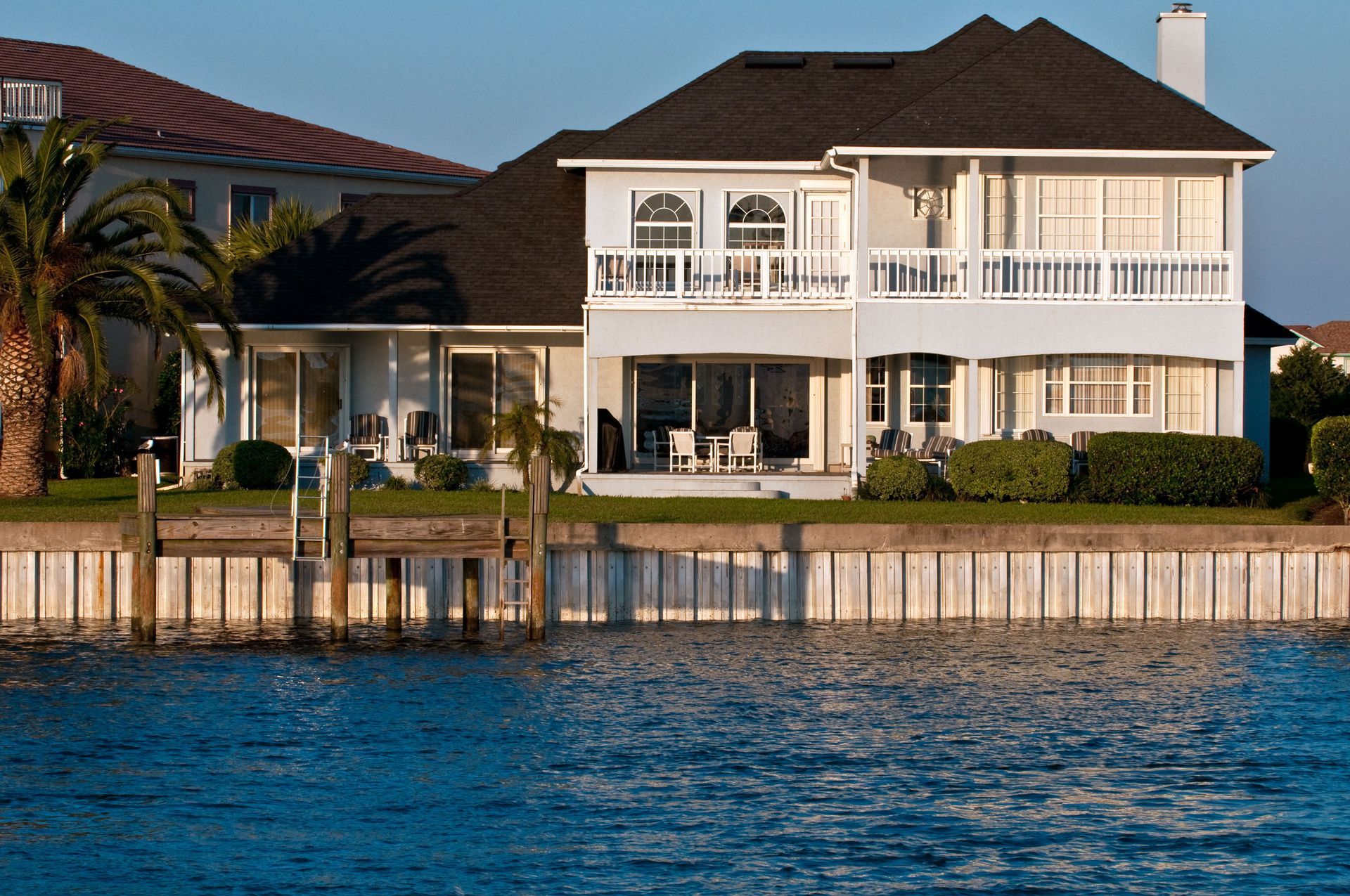
Waterfront properties offer stunning views, direct aquatic access, and elevated real estate value, but they also face relentless environmental forces daily. Coastal and lakefront structures constantly battle wave action, soil saturation, fluctuating tides, and hydrostatic pressure that threaten structural integrity over time. Seawalls and shoreline barriers serve as the critical line of defense protecting valuable upland soil from severe erosion. Recognizing early warning signs of physical degradation empowers property owners to address minor structural flaws before catastrophic collapse occurs. Timely intervention safeguards coastal investments, preserves shoreline landscapes, and ensures long-term coastal stability against continuous, unforgiving hydrological pressure year after year.
Identifying Bulging and Outward Structural Deflection
Waterfront barriers experience immense hydrostatic pressure when heavy rainfall or rising tides saturate the soil trapped behind the structure. When trapped water cannot drain effectively through weep holes, saturated soil expands, forcing the central portions of seawall panels to push outward. According to NOAA, approximately 14% of the United States shoreline is protected by hardened infrastructure like concrete or steel walls. This outward movement, known as bulging, clearly indicates internal structural failure under heavy lateral pressure. Promptly addressing visible bulging through specialized retaining wall repair prevents catastrophic panel collapse, preserves precious upland soil, and restores proper drainage paths before water pressure destroys the barrier.
Observing Bowing Along the Upper Wall Section
Unlike central bulging, bowing typically manifests as noticeable inward tilting or forward leaning along the top edge of a shoreline barrier. This specific movement often occurs when upper tieback anchors, deadmen, or internal steel reinforcement rods corrode, loosen, or snap beneath the soil surface. As wave action continuously erodes the wall's foundation toe, top-heavy pressure accelerates forward rotation. Noticing outward tilt early allows marine contractors to install modern helical tieback anchors to pull the wall back into plumb position. Executing timely retaining wall repair stabilizes the structure, preventing complete forward overturn and saving property owners from costly full-scale wall replacements.
Spotting Washouts and Sinkholes Behind the Barrier
Erosion behind a waterfront structure presents severe risks to lawn landscapes, patio paving, and nearby home foundations. Washouts occur when water flows behind the barrier, washing fine soil particles through cracked seams, degraded drainage weep holes, or compromised panel joints. Over time, unseen subterranean voids expand until the overlying turf suddenly collapses into noticeable sinkholes. Ignoring these hidden soil voids invites rapid structural destabilization during heavy rainfall events. Performing proactive retaining wall repair fills subterranean cavities with expanding polyurethane foam or specialized grout, sealing drainage gaps, locking loose soil into place, and stabilizing the shoreline ground completely.
Evaluating Cracks and Spalling in Concrete Seawalls
Concrete barriers exposed to harsh marine environments regularly suffer from saltwater intrusion, freeze-thaw cycles, and continuous wave impacts. Hairline surface cracks gradually widen, allowing moisture to reach embedded steel rebar, causing rapid internal oxidation and expansion. As rust expands, it fractures surrounding concrete, causing large chunks to break away in a process called spalling. Leaving exposed steel rebar unaddressed accelerates structural degradation across the entire bulkhead. Injecting high-strength marine epoxy into active cracks during retaining wall repair restores structural strength, stops moisture penetration, and extends the operational lifespan of concrete shoreline barriers against ongoing tidal erosion.
Assessing Toe Scour and Foundation Undermining
Toe scour occurs at the absolute base of a waterfront barrier where returning wave action strips sand, muck, and sediment away from the wall foundation. As deep trenches form along the seabed, the wall loses critical forward support, leaving the structure vulnerable to slipping or tipping forward into the water. Diving or probing the submerged wall base reveals whether foundational soil is actively washing away. Marine contractors combat toe scour by placing heavy riprap stone, concrete mattresses, or sheet piling toe walls at the base. Implementing shoreline retaining wall repair preserves foundational grip, resisting wave power effectively.
Detecting Tieback Rod Corrosion and Anchor Failure
Tieback systems serve as invisible anchors holding shoreline walls upright against immense soil forces behind them. Steel tieback rods extending inland to buried deadman anchors are highly susceptible to severe rust, especially in brackish or saltwater zones. When corrosion weakens these steel rods, they suddenly snap, leaving the upper wall completely unsupported against lateral earth pressure. Snapped tiebacks lead directly to sudden bowing, leaning, or complete panel separation during heavy storms. Excavating behind the wall to inspect and replace damaged anchoring hardware forms an essential part of retaining wall repair, ensuring the barrier remains firmly anchored upland.
Checking Drainage Weep Holes for Obstructions
Functional drainage systems remain vital for relieving relentless hydrostatic pressure accumulated behind waterfront barriers. Weep holes positioned along the wall face allow trapped groundwater to exit freely into the open water body. When these drainage channels become clogged with mud, aquatic weeds, or marine organisms, water accumulates rapidly behind the wall face. Elevated water levels exert immense lateral weight that destabilizes concrete panels and wooden bulkheads alike. Clearing blocked weep holes and installing geotextile filter fabric during routine retaining wall repair ensures continuous drainage, preventing dangerous pressure accumulation and protecting the wall against structural strain.
Examining Sheet Pile Separation and Joint Failures
Vinyl, steel, and aluminum sheet pile bulkheads rely on tightly interlocking vertical seams to hold back soil and water. Continuous ground shifting, heavy wave action, or ice lifting can force these vertical interlocks to pull apart over time. Once sheet pile seams separate, soil washes out rapidly into the water body during every low tide cycle. Inspecting the shoreline for gap separations along vertical panel joints helps pinpoint structural failure points quickly. Installing specialized joint sealing plates or driven sister piles stops soil loss, restoring seamless structural integrity across the entire length of the waterfront barrier.
Monitoring Timber Bulkhead Rot and Marine Borer Attack
Wooden retaining walls bring rustic aesthetic appeal to freshwater lakes and rivers, but organic materials face unique degradation threats. Continuous exposure to moisture, soil bacteria, and marine wood-boring organisms causes internal timber rot, weakening critical support posts and horizontal whalers. Softened, decaying wood loses structural rigidity, bowing outward under moderate earth pressure. Inspecting wooden bulkheads involves probing timber surfaces with sharp tools to detect hidden internal decay. Replacing rotted support timbers with marine-treated wood or composite materials restores structural strength, ensuring the bulkhead continues safeguarding shoreline boundaries against constant wave movement.
Preventing Structural Collapse With Proactive Maintenance
Waiting for a shoreline barrier to completely fail results in catastrophic soil loss, severe environmental damage, and astronomical emergency reconstruction costs. Establishing a routine visual inspection schedule enables property owners to identify subtle signs of structural distress, such as hairline cracking, minor leaning, or small soil depressions. Addressing minor flaws early keeps repair scopes manageable and cost-effective. Professional marine contractors possess specialized equipment, such as underwater cameras and hydraulic excavation tools, to diagnose deep structural issues accurately. Investing in proactive maintenance preserves waterfront real estate value, ensuring shoreline barriers remain resilient against unpredictable weather patterns and rising tides.
Waterfront retaining walls represent vital protective barriers that shield coastal and lakefront properties from continuous hydrological forces. Diagnosing early warning signs, such as bulging panels, bowing tops, subterranean washouts, and clogged weep holes, prevents catastrophic structural collapses before they occur. Partnering with experienced marine contractors ensures that repairs incorporate modern materials, proper drainage solutions, and durable anchoring systems tailored to dynamic aquatic environments. Taking decisive action protects shoreline property boundaries, preserves real estate value, and delivers enduring peace of mind. Regular maintenance ensures waterfront barriers stand strong against changing tides, intense storms, and relentless wave action for generations. Are you seeking professional retaining wall repair services in Florida's Gulf Coast? The experts at Anderson Dock & Lift Co. have you covered! Call today to request a service estimate.