March 3, 2026
Owning a waterfront property is a dream for many, offering a unique blend of natural beauty and recreational opportunities. However, the transition from land to water requires a specialized structure that can withstand the elements while providing a safe and functional space for boarding vessels. Every shoreline presents a distinct set of challenges, from fluctuating water levels and varying soil compositions to the specific force of local currents and waves. This is why standardized, one-size-fits-all solutions often fail to meet the long-term needs of property owners. Engaging with a professional firm to design custom boat docks ensures that your installation is perfectly calibrated to the specific geography of your lot. These tailored structures are engineered to harmonize with the environment, providing a stable platform that enhances the value of your real estate. By focusing on the unique variables of your waterfront, experts can create a system that is as durable as it is aesthetically pleasing, ensuring that your access to the water is seamless and secure for years to come.
Analyzing the Impact of Unique Shoreline Topography
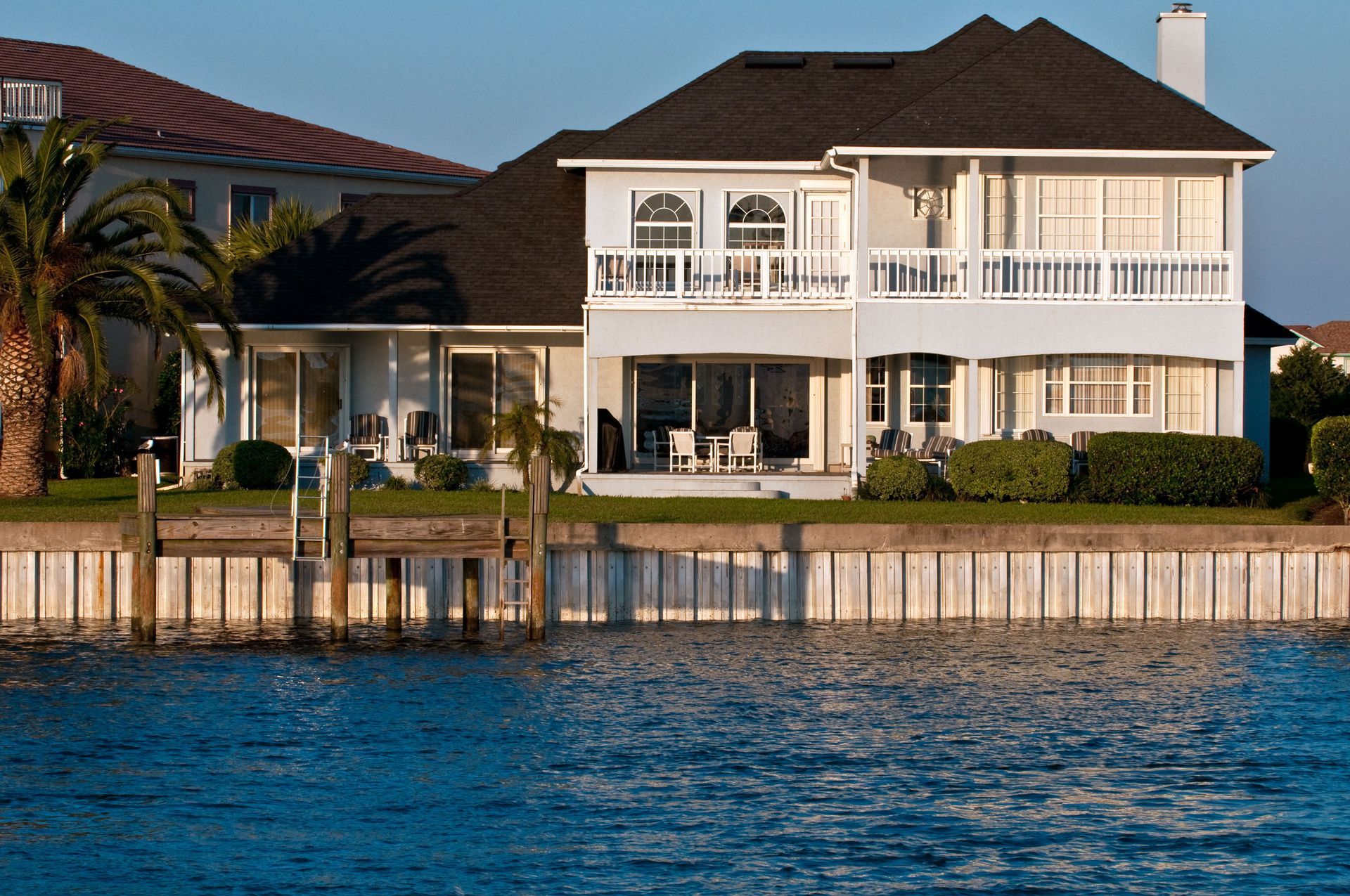
The first step in creating a successful waterfront installation is a comprehensive analysis of the land where the structure will meet the water. Shorelines can range from steep, rocky cliffs to soft, sandy beaches or marshy wetlands, and each requires a different engineering approach. When designing custom boat docks, professionals must determine the best method for anchoring the structure to the earth to prevent shifting or erosion. For instance, a rocky bottom may require specialized drilling and heavy-duty steel piling, while a muddy or sandy bottom might necessitate a floating system or long, driven piles that reach a more stable substrate. The slope of the land also dictates the length and design of the gangway, ensuring that the transition from the shore to the main platform is at a safe and comfortable angle. By accounting for these physical traits, builders ensure that the final product feels like a natural extension of the landscape rather than an intrusive addition, providing a solid foundation for all your maritime activities.
Adapting to Variable Water Levels and Seasonal Changes
Water levels are rarely static, and a structure that works perfectly during a high-tide summer may be completely inaccessible during a low-water winter. Professional builders of custom boat docks utilize different technologies to address these fluctuations, such as floating dock systems that rise and fall with the water or adjustable standing docks that can be raised or lowered manually. In regions where ice is a factor, the design must also account for the immense pressure that freezing water can exert on pilings and frames. Some systems are designed to be removable during the off-season, while others utilize "bubbler" systems to prevent ice from forming around the structural supports. This adaptability is crucial for protecting your investment from the destructive forces of nature. By choosing a design that anticipates the seasonal behavior of your specific body of water, you minimize the risk of structural failure and ensure that your dock remains a functional asset regardless of the time of year or the current depth of the lake or river.
Selecting High-Performance Materials for Marine Environments
The harsh environment of a waterfront, characterized by constant moisture, UV exposure, and potential salt spray, requires materials that are significantly more resilient than standard construction timber. When planning custom boat docks, owners have the choice between various high-performance materials such as pressure-treated wood, tropical hardwoods like Ipe, marine-grade aluminum, and composite decking. Each material offers a different balance of maintenance requirements, slip resistance, and visual appeal. For example, aluminum is lightweight and virtually maintenance-free, making it an excellent choice for modular systems, while composite materials offer the look of wood without the risk of splintering or rotting. Choosing the right material is not just about looks; it is about ensuring the safety of those walking on the surface and the longevity of the entire frame. Experts can guide you through these selections, helping you weigh the upfront costs against the long-term benefits of durability and ease of care, ensuring your waterfront retreat remains beautiful with minimal effort.
Incorporating Functional Accessories for Enhanced Utility
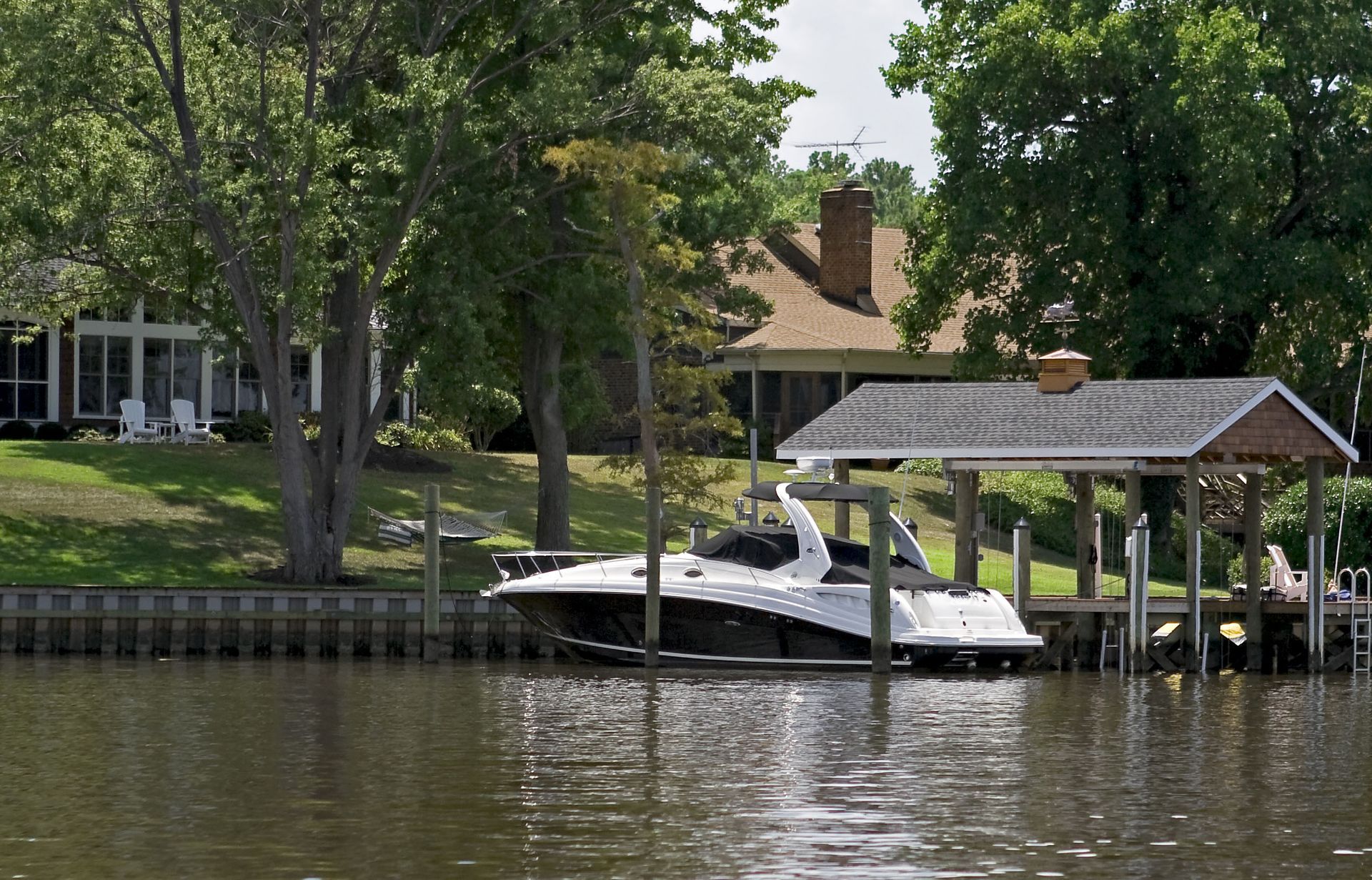
A dock is often more than just a place to tie up a boat; it is an outdoor living space that can be customized with a variety of functional accessories to suit your lifestyle. The beauty of custom boat docks lies in the ability to integrate features like built-in seating, storage lockers for fishing gear, specialized lighting for night use, and even power pedestals for charging marine batteries. For those who enjoy swimming, integrated ladders and platforms can be added to provide easy access in and out of the water. Additionally, boat lifts and PWC ports can be built directly into the layout to protect your vessels from the constant motion of the waves and the growth of aquatic organisms on the hull. These additions transform a simple pier into a comprehensive recreational hub, tailored specifically to how you and your family use the water. By planning these features during the design phase, you ensure that the electrical and structural requirements are met safely and efficiently, resulting in a cohesive and high-functioning environment.
Understanding the Economic Dynamics of the Waterfront Industry
The demand for specialized marine structures is driven by a wide range of users, from private homeowners to large-scale commercial operations such as marinas and shipping terminals. This diversity in the marketplace influences the technology and materials available for all types of projects. According to Grand View Research, the commercial application segment led the market and accounted for 47.7% of the market share in 2025. This significant commercial presence often leads to innovations in heavy-duty construction techniques that eventually benefit the residential sector. When you invest in custom boat docks, you are tapping into a mature industry that utilizes high-level engineering standards originally developed for demanding commercial environments. This ensures that even a small private dock benefits from the same rigorous structural integrity and material science used in large-scale port facilities. Understanding these market trends provides confidence that the solutions offered by modern builders are backed by extensive research and a robust global supply chain of high-quality marine components.
Navigating the Permitting and Environmental Regulation Process
Building on the water involves a complex web of environmental regulations designed to protect aquatic ecosystems and maintain public waterways. A significant advantage of working with a professional firm to build custom boat docks is their familiarity with the specific permitting requirements of your local municipality and state agencies. There are often strict rules regarding the "footprint" of the structure over the water, the type of lighting that can be used to avoid disturbing wildlife, and the methods used for installing pilings to minimize siltation. Professionals understand how to design a structure that meets your needs while adhering to these important environmental standards, which prevents costly legal delays or the need for expensive modifications after the project has started. They handle the communication with regulatory bodies, ensuring that your project is fully compliant and that your dock is built in a way that respects the delicate balance of the local environment. This professional oversight is essential for a smooth construction process and for the long-term legality of your waterfront improvements.
Designing a waterfront structure is a complex process that requires a deep understanding of engineering, environmental science, and personal lifestyle needs. From the initial survey of the shoreline to the final selection of accessories, every detail plays a role in the safety and longevity of the installation. By choosing custom boat docks, you ensure that your property is equipped with a solution that is as unique as the shoreline it sits upon. Whether you need a simple platform for fishing or a multi-slip facility for a fleet of vessels, the right design will enhance your enjoyment of the water for decades. At Anderson Dock & Lift Co, we specialize in creating high-quality, durable solutions that are tailored to the specific needs of our clients. Our team is dedicated to providing the expertise and craftsmanship required to turn your waterfront vision into a reality. Call Anderson Dock & Lift Co today to learn more about our process and how we can help you design the perfect dock for your home.