March 2, 2026
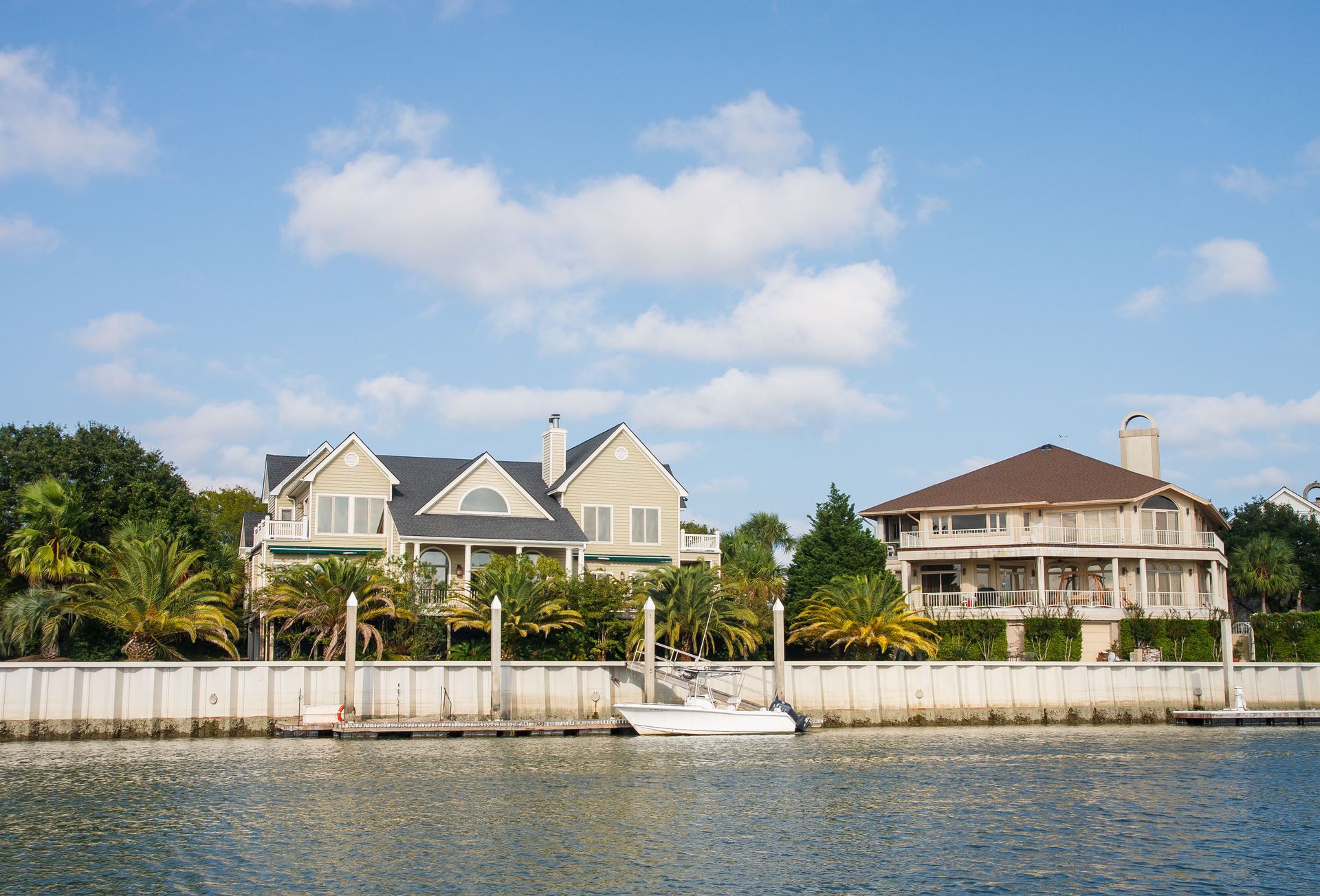
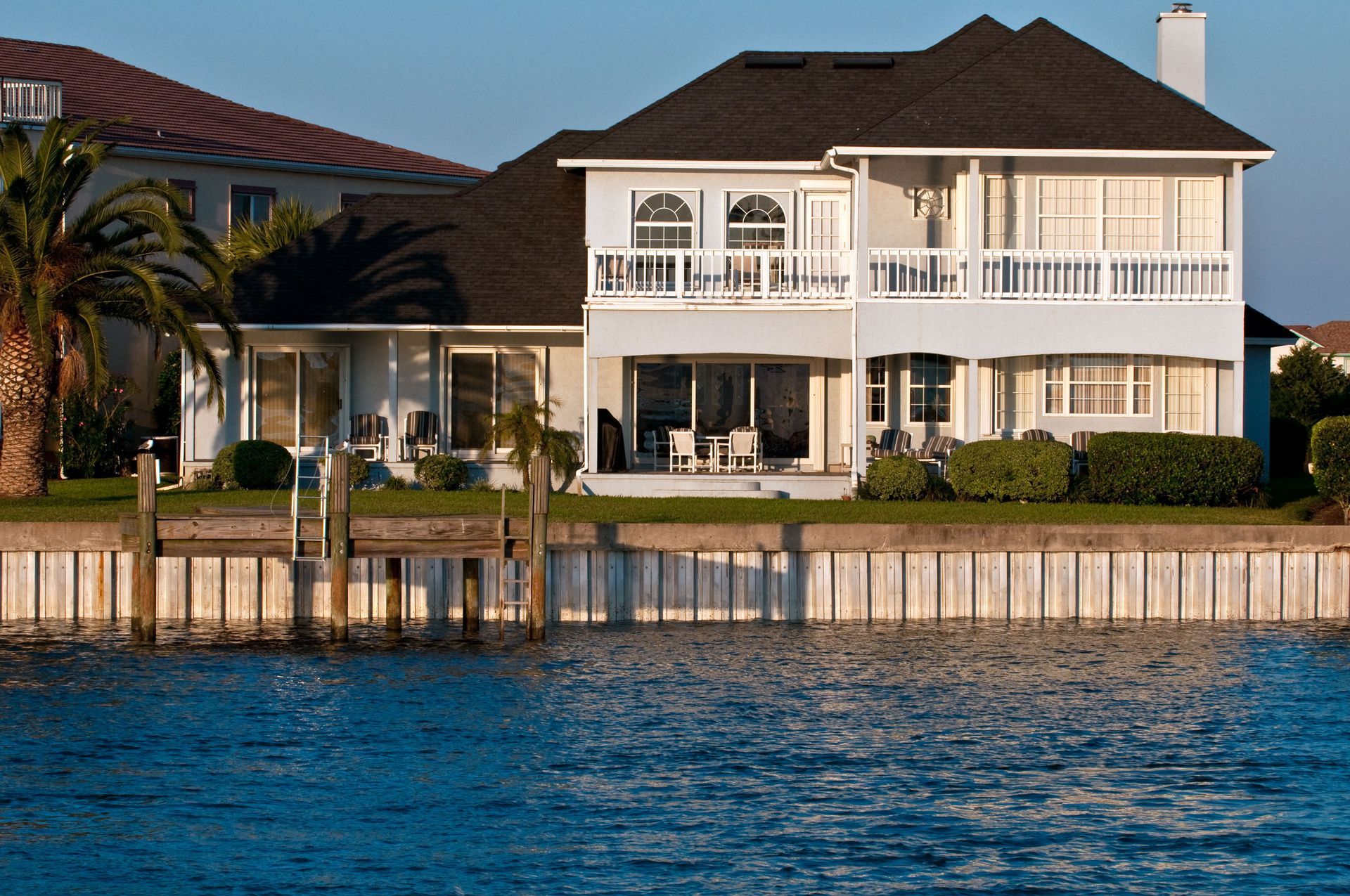
Seawalls serve as critical infrastructure that protects waterfront properties from the erosive forces of water. Their maintenance is crucial, not only for the well-being of the property they protect but also for the financial stability of the owners. A waterfront investment depends heavily on the strength and reliability of its seawall. Without regular inspections and maintenance, seawalls can deteriorate, leading to costly seawall repairs and potential property damage.
Signs of Wear and Tear
Minor Cracks
Seawalls, like all structural edifices, are subject to various stressors that can lead to minor cracks. These small fissures might appear inconsequential initially, but can expand, resulting in significant structural failure over time. Addressing these early signs of damage ensures that seawall repairs remain manageable and cost-effective. Regular checks can identify these issues before they escalate, saving money and preserving the integrity of your seawall. Maintaining vigilance in monitoring these cracks is a proactive strategy for waterfront property owners.
Corrosion
Corrosion is another formidable adversary of seawall materials, particularly those composed of steel and concrete. The constant exposure to saltwater accelerates the deterioration of these materials, eroding their strength and durability. This process can significantly compromise the seawall's ability to withstand environmental stressors. Early intervention through protective coatings and cathodic protection is vital in extending the seawall's lifespan and reducing the likelihood of extensive seawall repairs. By understanding how corrosion works, property owners can plan maintenance activities more effectively.
Soil Erosion
Soil erosion around seawalls presents another challenge, gradually undermining the support structures and leading to potential destabilization. The movement of water can wash away the soil, creating voids that weaken the seawall's foundation. Left unchecked, this erosion can pose serious threats to the overall stability of the structure and require additional seawall repairs. Regular inspections and the implementation of preventive measures are essential to mitigate these risks. High-performance geogrid systems and root stabilization techniques can provide effective solutions against soil erosion.
Leaning or Bowing
Leaning or bowing of seawalls is an alarming sign that there are significant structural issues at play. This deformation often indicates that the forces exerted on the wall exceed its designed capacity. Causes can include poor initial design, substandard materials, or changed environmental conditions since construction. Immediate assessment and seawall repairs are required to prevent further deterioration and ensure the seawall continues to function effectively. Reinforcement with additional support structures may be necessary to restore balance and integrity.
Water Seepage
Water seepage through seawalls can have far-reaching consequences, not just for the structure itself, but also for the surrounding property. Excessive moisture can contribute to the weakening of materials and create conducive conditions for corrosion and other forms of degradation. Detecting signs of seepage early, such as damp spots on walls or pooling water around the seawall, is crucial. Implementing waterproofing solutions and monitoring systems can help manage and curtail this issue, reducing the risk and cost of future seawall repairs. Taking these precautions ensures that waterfront investments remain well-protected.
Seasonal Considerations
Winter Effects
Winter poses a unique set of challenges to seawall structures, primarily due to the freezing and thawing cycles that can lead to internal stresses. As water trapped in any cracks freezes, it expands, widening these fissures and potentially causing further damage. It is crucial to conduct inspections before the onset of winter to detect any vulnerabilities that could be exacerbated by colder temperatures. Ensuring that waterproofing measures are in place can help mitigate these risks during the winter months. Taking a proactive approach before winter strikes is a savvy investment in long-term structural integrity.
Summer Preventive Maintenance
Summer is often the most favorable time for conducting preventative maintenance on seawalls. The typically dry and calm weather conditions mean repairs can be carried out without the added complication of adverse weather. This period should be used to apply protective coatings, reinforce weak spots, and make upgrades as necessary. Addressing these maintenance issues during the summer not only safeguards the seawall but can also enhance its longevity. Moreover, investing in summer upkeep prevents the necessity of more extensive interventions during less ideal conditions.
Storm Season Timing
The timing of seawall repairs in relation to storm seasons is crucial for minimizing potential damage and costs. In regions prone to hurricanes or intense storms, ensuring that any weaknesses are addressed before the onset of storm seasons is vital. Repairs during these times can be more challenging and costly, and the risk of further damage is increased if the seawall is compromised. Strategic planning allows for the allocation of resources towards fortifying the seawall against these powerful natural forces. By doing so, property owners safeguard their investments against the unpredictable elements.
Working with Professionals
Choosing the Right Contractor
Engaging the services of competent professionals is paramount in ensuring successful and long-lasting seawall repairs. Property owners should prioritize contractors with a proven track record in marine construction and repair. Checking references, credentials, and previous work examples can offer insights into the contractor's reliability and proficiency. A thorough vetting process helps in avoiding potential pitfalls associated with inexperienced or substandard workmanship. Partnering with a trustworthy contractor ensures that the seawall is fortified to withstand the elements effectively.
Cost Considerations
One of the primary concerns for property owners contemplating seawall repairs is the associated cost. The scope of repairs, material choices, and geographic location all play a role in determining the final price. For backers of recreational waterfront investments, understanding these elements is key to effective budgeting. According to the NMMA Recreational Boating Statistical Abstract, data show that recreational marine spending remained strong in 2024, with total retail expenditures reaching $55.6 billion. Careful planning, reinforced by realistic cost assessments, equips property owners to meet their seawall maintenance obligations head-on without financial strain.
Permit and Regulation Compliance
Repair projects on structures like seawalls often require adherence to a range of regulatory standards and permit acquisition. Compliance with local, state, and federal regulations is fundamental to avoiding legal complications and potential fines. Consulting with contractors who have extensive experience navigating regulatory landscapes is beneficial. They can ensure that all necessary protocols are followed, including environmental impact assessments and construction permits. This compliance guarantees the seawall’s adherence to established standards, protecting the integrity of the structure and the environment.
Ensuring Quality Work
Once a project is underway, maintaining quality control ensures that repairs meet high standards and prolong the seawall's life. A reputable contractor will implement quality assurance processes, verifying that each aspect of the repair aligns with industry best practices. Third-party inspections can offer an unbiased assessment, ensuring that all work is up to par. Property owners should seek warranties and guarantees as a further incentive that high-quality standards are being met. Ultimately, ensuring quality work translates into reliable, enduring seawall performance.
Maintaining seawalls is a vital aspect of protecting waterfront investments, combining timely repairs and adaptive strategies to manage environmental challenges. Recognizing signs of wear, understanding seasonal impacts, collaborating with professionals, and exploring innovative solutions are all critical components of effective seawall management. Additionally, financial planning and community engagement contribute to the ongoing resilience and sustainability of seawall structures. By prioritizing these aspects, property owners can enhance their seawalls' durability and secure their investments against existing and future challenges. For more information, contact Anderson Dock & Lift Co today.