April 30, 2026
Choosing the right boat lift for your waterfront is an important decision that affects both the protection and convenience of your vessel. With so many lift styles and configurations available, it can feel overwhelming to determine which option best suits your shoreline, water conditions, and boating habits. The right choice depends on more than just boat size; it also involves understanding your dock setup, water depth changes, and long-term maintenance expectations.
A well-selected boat lift helps reduce hull damage, prevents unnecessary wear, and makes launching and docking far easier. It also plays a major role in extending the life of your watercraft by keeping it out of constant contact with water, algae, and debris. Taking the time to understand your options ensures that your investment supports both functionality and long-term waterfront enjoyment.
Vertical Lifts: The Versatile Standard
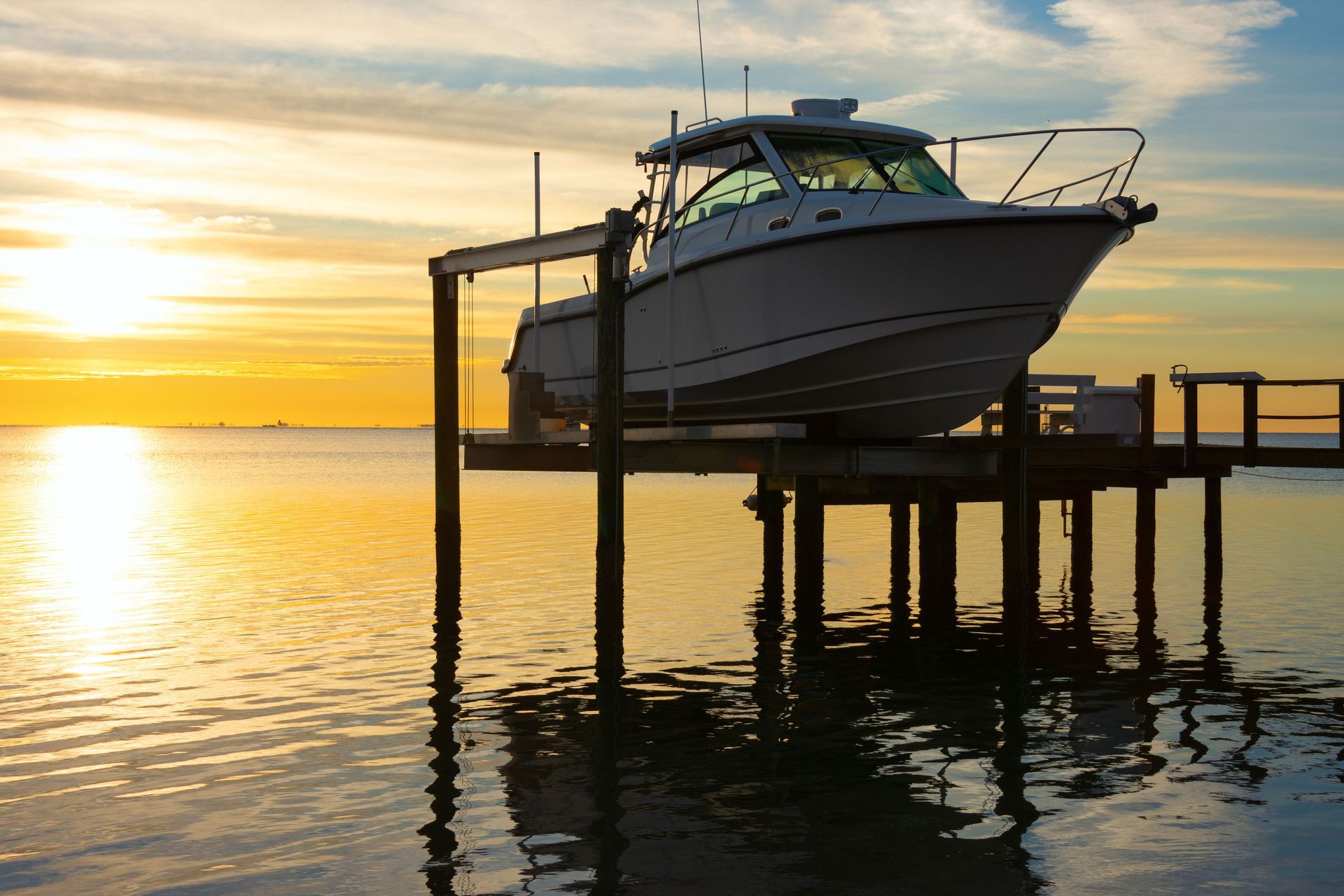
A vertical boat lift is one of the most commonly used systems for waterfront owners because of its adaptability. They operate by raising and lowering the boat straight up and down using a cradle system, making them ideal for deeper waters or areas with consistent dock structures. Their design allows for precise positioning, which helps protect the vessel from wave action and shifting water levels.
One of the key advantages of vertical lifts is their ability to accommodate a wide range of boat sizes and weights. Whether you own a small fishing boat or a larger recreational vessel, these systems can often be customized with different canopy options, bunk configurations, and weight capacities. This flexibility makes them a long-term solution for boat owners who may upgrade their vessel in the future.
Maintenance is another factor that contributes to their popularity. Vertical lifts are built with durable materials such as aluminum and galvanized steel, which are designed to resist corrosion in marine environments. With regular upkeep, they can remain reliable for many years. According to Waters Edge, the typical boat lift lasts up to 25 years. That lifespan makes them a practical investment for waterfront owners looking for durability and long-term value.
In addition to strength and versatility, vertical lifts also provide excellent protection during storms or rough water conditions. By lifting the boat fully out of the water, they minimize exposure to waves, floating debris, and algae buildup. This not only protects the hull but also reduces long-term cleaning and maintenance costs. This added protection also helps preserve mechanical components that might otherwise be affected by constant moisture exposure.
Elevator Lifts: Navigating Narrow Spaces
Elevator lifts are designed for waterfronts where space is limited or where traditional dock structures may not be practical. Instead of lifting a boat vertically in open water, these systems pull the vessel up an inclined track, similar to a railway system. This makes them particularly useful for steep shorelines or narrow waterfront properties.
One of the most important benefits of elevator lifts is their efficiency in tight areas. Because they do not require large open water clearance for vertical movement, they are ideal for canals, narrow lakefront lots, or properties with heavy shoreline development. This allows homeowners to maximize usable space without sacrificing boat storage capability. This efficient footprint also makes them a practical option for properties where dock expansion is not possible.
Another advantage is their stability during operation. Since the boat moves along a fixed track, it experiences less sway compared to some free-floating systems. This guided motion helps reduce wear on both the lift and the boat over time. It also provides a more controlled launching and retrieval process, which is especially helpful for less experienced boaters. This level of control can also make docking feel safer and more predictable in changing conditions.
Elevator lifts also offer strong protection against environmental wear. By keeping the vessel fully out of the water when stored, an elevator boat lift prevents prolonged exposure to moisture, which can contribute to hull deterioration. This makes them a reliable option for waterfront owners who prioritize preservation in addition to convenience.
Floating Dock Lifts: Adapting to Fluctuating Water Levels
Floating dock lifts are an excellent solution for waterfronts that experience changing water levels. These systems rise and fall with the water, keeping the boat consistently positioned above the surface regardless of tides, rainfall, or seasonal fluctuations. This adaptability makes them especially valuable in lakes, rivers, and coastal areas with unpredictable conditions.
Their ability to adjust naturally to water movement reduces the need for constant manual adjustment. Instead of worrying about dock height changes, boat owners can rely on the system to stay aligned with the waterline. This reduces stress on both the dock structure and the boat itself, especially during periods of rapid water level change.
Floating systems also improve accessibility and ease of use. Because the dock and lift move together, stepping onto or off the vessel remains relatively consistent. This helps reduce slipping hazards and improves overall safety, especially in environments where water levels can shift quickly.
Another benefit is their modular design. Many floating dock systems can be expanded or reconfigured over time, allowing waterfront owners to adjust their setup as needs change. Whether adding more docking space or accommodating additional watercraft, this flexibility makes floating lifts a practical long-term solution.
Personal Watercraft Lifts: Protecting Your Smaller Vessels
Personal watercraft lifts are specifically designed for smaller vessels such as jet skis and other lightweight recreational watercraft. These lifts provide secure storage that keeps personal watercraft out of the water when not in use, reducing exposure to algae buildup, corrosion, and accidental impact damage.
Their compact design makes them ideal for maximizing dock space. Instead of occupying large areas, they fit neatly alongside existing dock structures or between pilings. This efficiency allows waterfront owners to store multiple watercraft without overcrowding their space, making them especially useful for families or recreational properties.
Ease of use is another major advantage. Most personal watercraft lifts are designed for quick loading and unloading, allowing riders to get on the water faster. Many systems use simple crank or electric mechanisms, reducing the physical effort required to operate them. This encourages more frequent use and improves overall boating enjoyment.
These lifts also extend the lifespan of personal watercraft by reducing unnecessary exposure to water and sunlight. Constant contact with water can lead to mechanical wear and cosmetic damage over time. By keeping the vessel elevated when not in use, owners can reduce maintenance needs and preserve performance.
The right boat lift involves understanding how different systems interact with your waterfront environment. Factors such as water depth, shoreline design, and vessel type all influence which lift will provide the best performance. By carefully evaluating these conditions, boat owners can make a more informed and practical choice that supports both safety and convenience.
Each lift type offers distinct advantages that cater to specific needs, whether it is the versatility of vertical lifts, the space efficiency of elevator systems, the adaptability of floating docks, or the convenience of personal watercraft lifts. Taking the time to match your lift to your waterfront ensures smoother operation and better long-term protection for your investment.
If you’re ready to upgrade your setup with a new boat lift, count on our team at Anderson Dock & Lift Co. Contact us today for expert guidance and a setup that fits your needs.