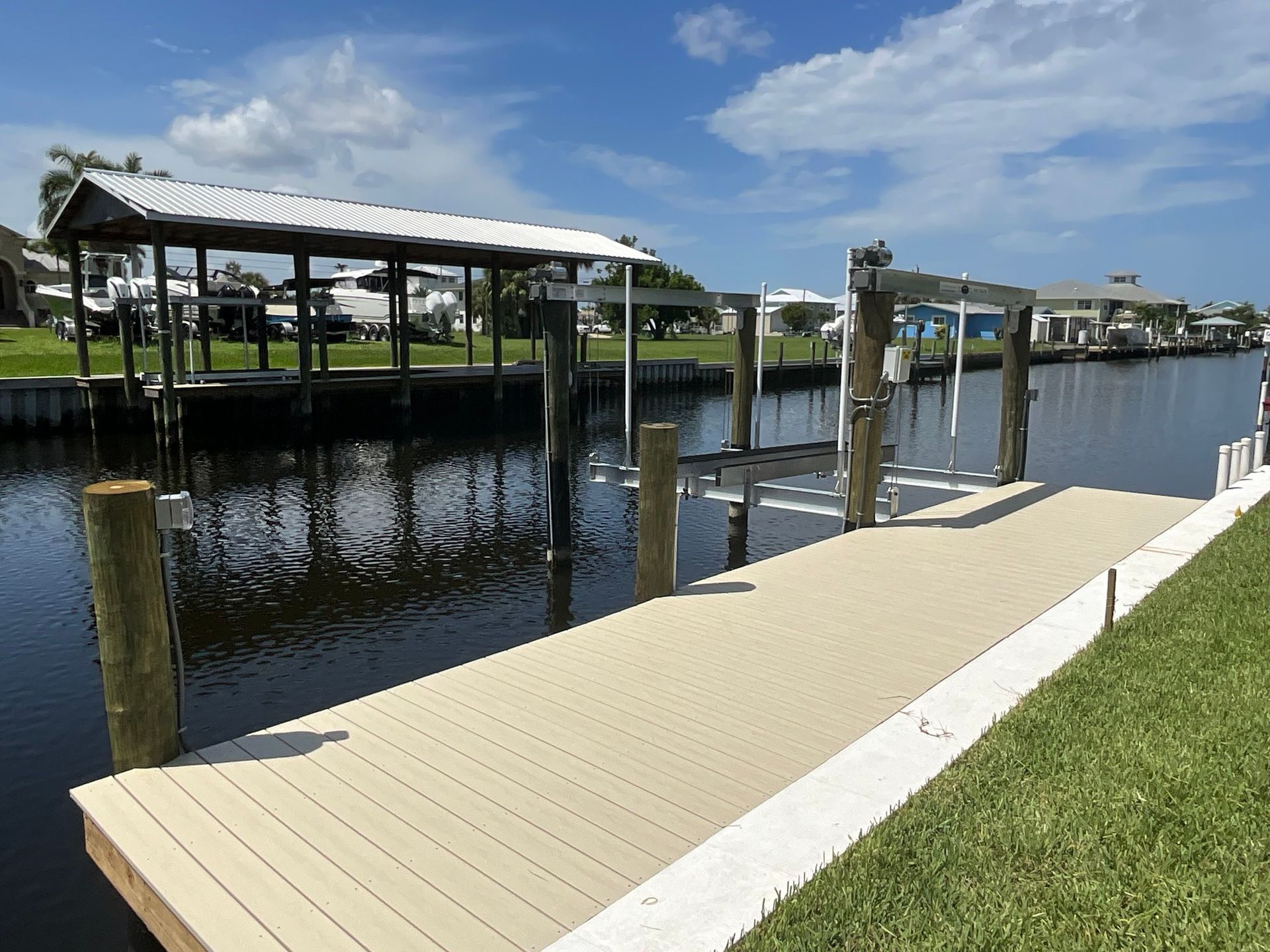
Anderson Dock and Lift installs, services and repairs boat lifts across Manatee and Sarasota counties, for everything from personal watercraft up to large yachts. We work with Sea Mount and Hurricane lifts, we file the permit, and we are a Florida Certified Specialty Contractor, license SCC131152520.
The company is led by founder Pete Anderson, a combat veteran of Iraq and Afghanistan who served 24 years as an Army and Air Force officer.
If you are replacing a lift or putting one on a dock that never had one, two things decide how the next fifteen years go: whether the lift is sized to the boat as you actually load it, and whether the structure underneath it can carry the load. Most of what goes wrong on this coast traces back to one of those two, not to the motor.
What we install, from personal watercraft to large yachts
We size and build to the vessel rather than to a catalog default.
Custom boat lifts
When the slip, the dock, or the boat does not fit a standard configuration, the lift gets built to the site instead. That covers vertical lifts, elevator lifts, cradle lifts, boathouse lifts, and lifts set for floating docks. We work from the slip width, the water depth, and the piling layout you already have, then pick the configuration that fits all three. Custom here means the geometry is drawn for your boat, not that the parts are exotic.
Large yacht lifts
Heavier vessels and deeper slips call for high-capacity systems and pilings driven to carry them. These builds typically use corrosion-resistant hardware and hydraulic drive, with remote operation where an owner wants it. Keeping the hull out of the water between trips is what holds down marine growth and the drag it adds. At this size the piling and cradle work decides the outcome more than the equipment list does, so that is where we start.
Pontoon boat lifts
A pontoon carries its load differently than a v-hull, so the cradle geometry has to match the tube spacing rather than a hull shape. We set adjustable bunks to support the tubes along their length and check capacity against the loaded weight before specifying anything. Rust-resistant hardware matters more than usual here because the contact points sit low and stay wet. A pontoon lift that is set right brings the boat up level and clear every cycle.
Sailboat lifts
Draft and keel shape drive the design on a sailboat lift. The build needs support under the keel and bunks set to the hull shape on either side of it, and a shallow-water slip needs a configuration that still brings the boat clear of the water. Larger sailboats need more capacity than their length suggests, which is another place the loaded weight number earns its keep. These get designed one at a time rather than pulled from a standard cradle.
Personal watercraft and jet ski lifts
Jet skis and other small watercraft go on a personal watercraft lift, in single or multi-unit configurations depending on how many you keep at the dock. Adjustable bunks let one lift fit different models, and corrosion-resistant hardware handles constant exposure at the waterline. Getting the craft up out of the water makes boarding easier and keeps it away from chop and floating debris. See jet ski lifts for that side of the work.
If the dock is going in at the same time, new dock construction and the lift get designed together, which is cheaper and structurally better than adding a lift to a dock that was never planned for one.
Sizing starts with the loaded weight, not the hull length
The number that matters is not what the boat weighs on the manufacturer’s spec sheet.
It is dry weight plus fuel, water, batteries, and the gear that lives on board and never comes off. Those add up faster than people expect. Fresh water alone runs 8.34 pounds per gallon by the US Geological Survey figure, so a hundred gallon tank is another 834 pounds before you count a drop of fuel. Owners routinely underestimate the total, and a lift chosen against dry weight runs at the edge of its rating every cycle.
We work the number out with you before we quote, and we size above the loaded figure rather than to it. Ask any bidder what loaded weight they used and how they got there. If the answer is hull length, keep looking.
Saltwater is what ends most lifts on this coast
A lift in the Gulf lives in a corrosive environment continuously, not seasonally.
How aggressive that is has been measured. The American Galvanizers Association puts any structure within 250 feet of salt water in the marine splash and heavy salt spray zone and calls that exposure aggressive to hot dip galvanized steel. Their coastal guidance reports rust inside 5 to 7 years on the surfaces taking direct salt wind, while sheltered surfaces on the same structure ran 15 to 25 years longer. Every waterfront lot on this coast is inside that 250 foot band, which is why the exposure at your particular slip drives what we specify, and why rinsing is not a nicety.
Cables and motors are the wear items, and both fail from the same cause. The warning signs are worth knowing: rust bleeding from the cable strands, a lift that travels unevenly or hesitates under load, grinding from the drive, or visible wear where the cable runs over the sheave. Any of those means stop using it and get eyes on it.
Before a storm the boat comes off the lift. The hurricane guide has the storm week list for lifts and docks.
The part an owner controls is rinsing the lift after saltwater use and not leaving a boat parked at full load for months without looking at the cables. The part we control is specifying hardware that suits the exposure at your particular slip.
Booking a boat lift inspection is the cheap version of this conversation. Replacing a cable is routine. Replacing a boat is not.
The install and the pilings matter more than the brand
Sea Mount and Hurricane both build good equipment. So do others. The lift is rarely the variable that decides the outcome.
What decides it is whether the pilings are sized and driven for the load, whether the structure is square, and whether the lift was set to the vessel rather than dropped in at a default. Wood in our water is working against the worst borer hazard the national standard recognizes: the American Wood Protection Association puts everything south of Georgia and along the Gulf coasts in Use Category UC5C, Marine Use Southern Waters, the only marine category that adds Martesia and Sphaeroma on top of the borers found further north. That is the standard a piling has to be treated to here, and it is worth asking any bidder whether theirs is. A quality lift on undersized pilings is a failure with a good nameplate on it. If the existing pilings are the question, piling wraps address rot at the waterline, and a full assessment tells you whether wrapping is enough or the piling needs replacing.
Permits, and what we file for you
Whether a lift needs a permit depends on the scope and on the rules at your address, and those rules are not the same from one municipality to the next along this coast. We handle the filing as part of the job.
Where a permit is required, the general range we quote is two to three months and it varies by building department. That belongs in your schedule as a real line rather than a surprise.
Repairs, and taking over a lift somebody else installed
Yes, we service lifts we did not install. That is a large part of the work.
Boat lift service and repair covers cable and motor replacement, drive work, alignment, and cradle repair. If a previous contractor is gone, unresponsive, or the lift came with the house, we will assess what is there and tell you plainly whether it is worth repairing or whether you are putting money into something that needs replacing. That includes telling you when the answer is that the lift is sound and you do not need us this year, which is an answer we give more often than people expect.
Next step
Tell us the boat and the dock. We will work out the loaded weight with you, look at what the structure can carry, and put a written scope and price in front of you. Estimates come back within 24 business hours.
Request an estimate or contact us. Built work is in the portfolio, and if the dock needs attention too, start at docks and piers.
Why Choose Anderson Dock & Lift Co.
- Fast, Free Estimates
- Fully Insured
- High-Quality Products
- Veteran-Owned
Boat Lift Services
Boat Lift Service and Repair
Maintain your boat lift’s peak performance with our professional service and repair options. Our skilled technicians conduct thorough inspections, preventative maintenance, and necessary repairs for smooth, safe operation year-round.
Learn MoreJet Ski Lifts
Safeguard your personal watercraft with our specialized jet ski lifts. We provide durable, user-friendly lift systems that keep your jet skis secure and ready for water adventures.
Learn MoreWaterfront Inspections
We look at the lift, the dock, the pilings, and the seawall and tell you what condition they are in. Cable wear, corrosion, and structural movement are what we are checking for, before any of them turn into a failure.
Learn MoreReviews
4.8 stars across Google reviews from waterfront owners on Florida’s Gulf Coast. Read what they said.
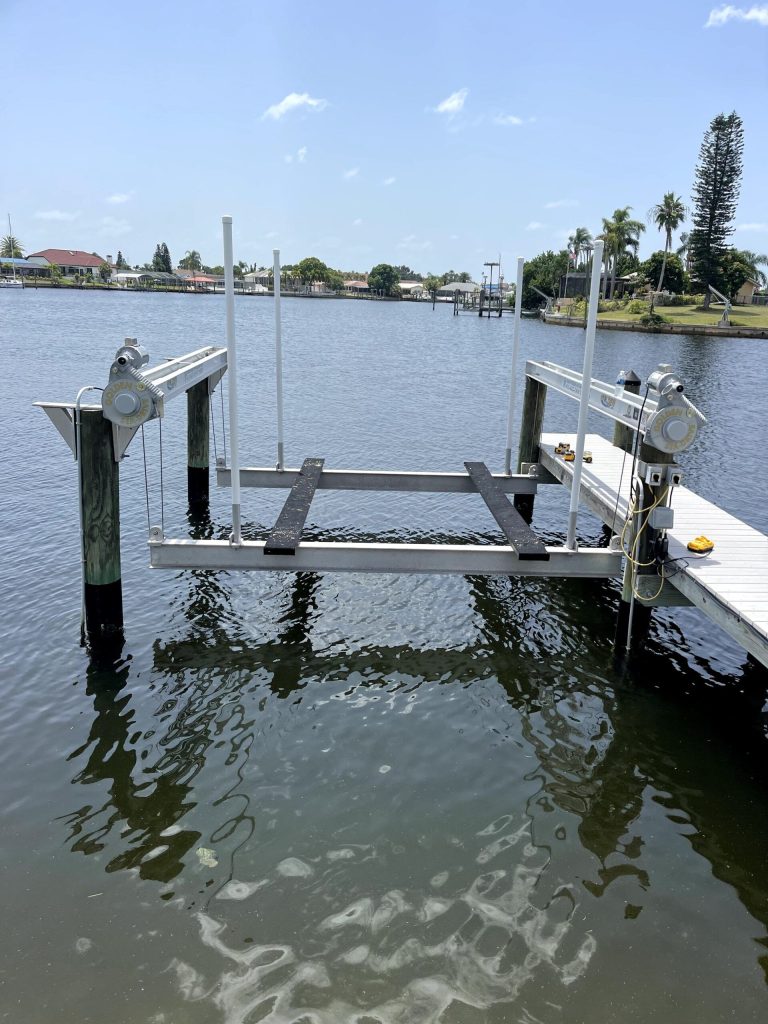
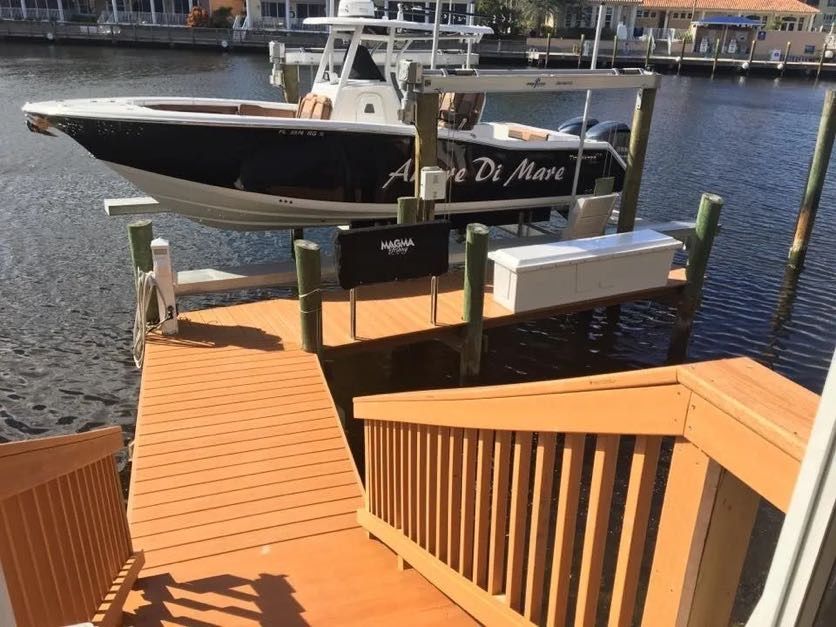
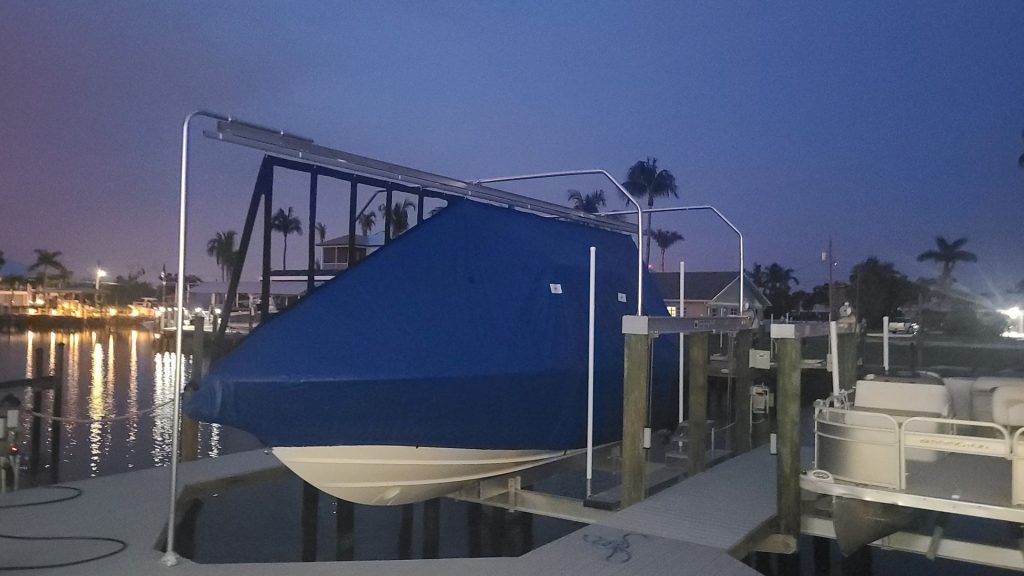
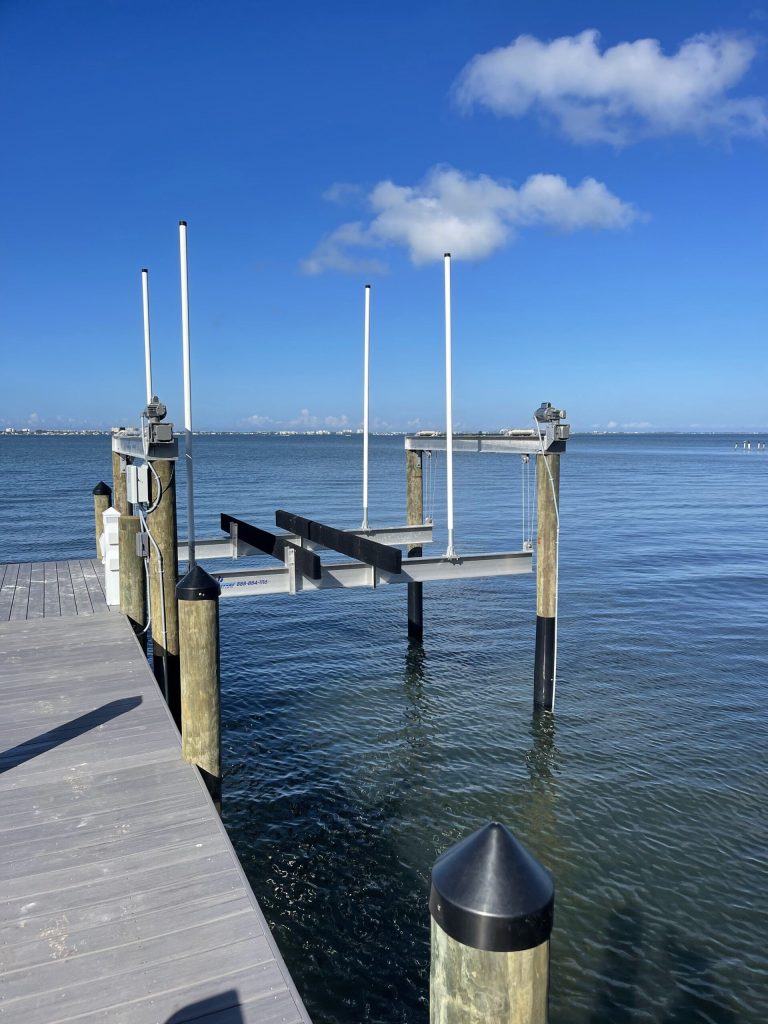
Our Recent Boat Lift Projects
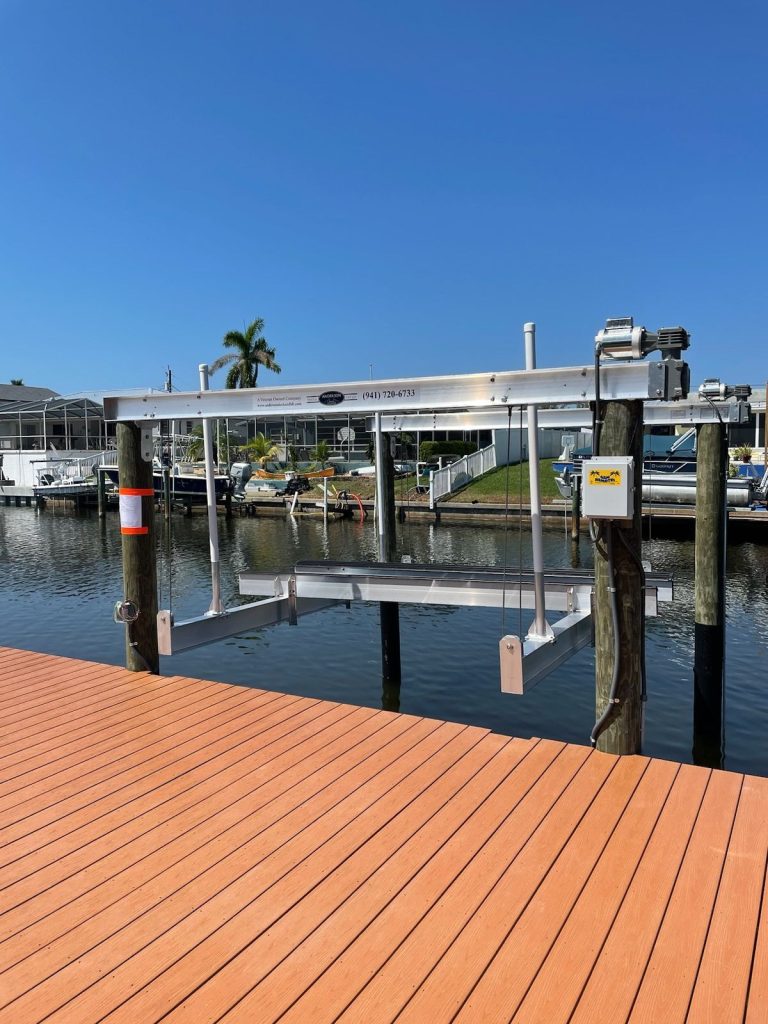
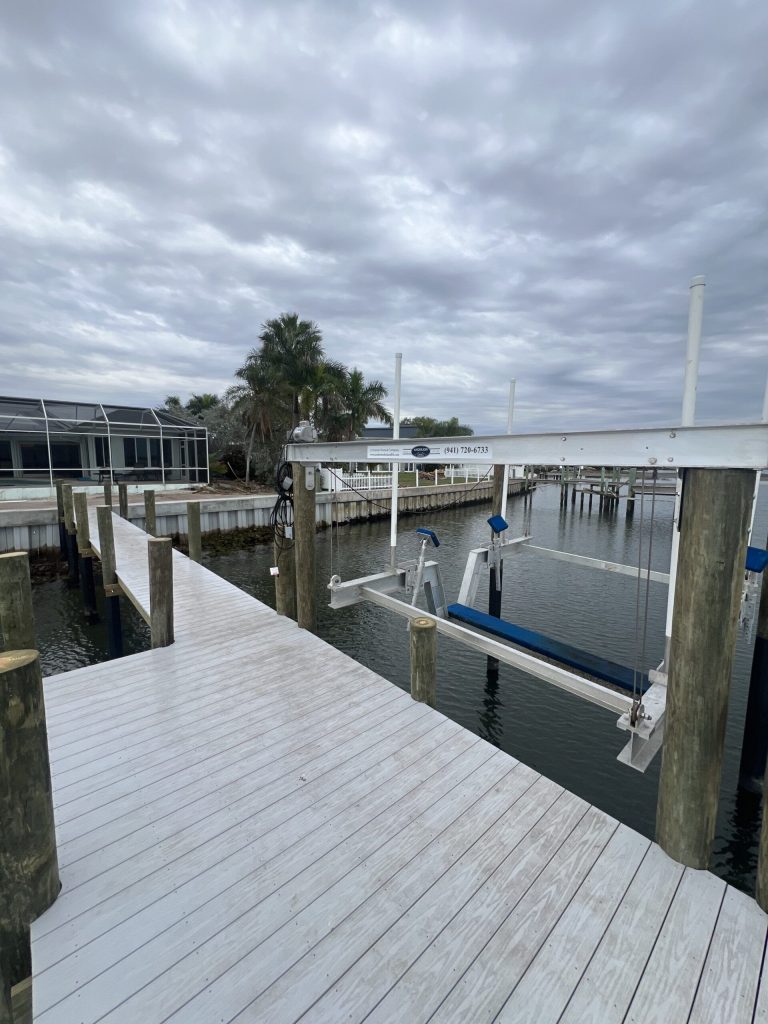
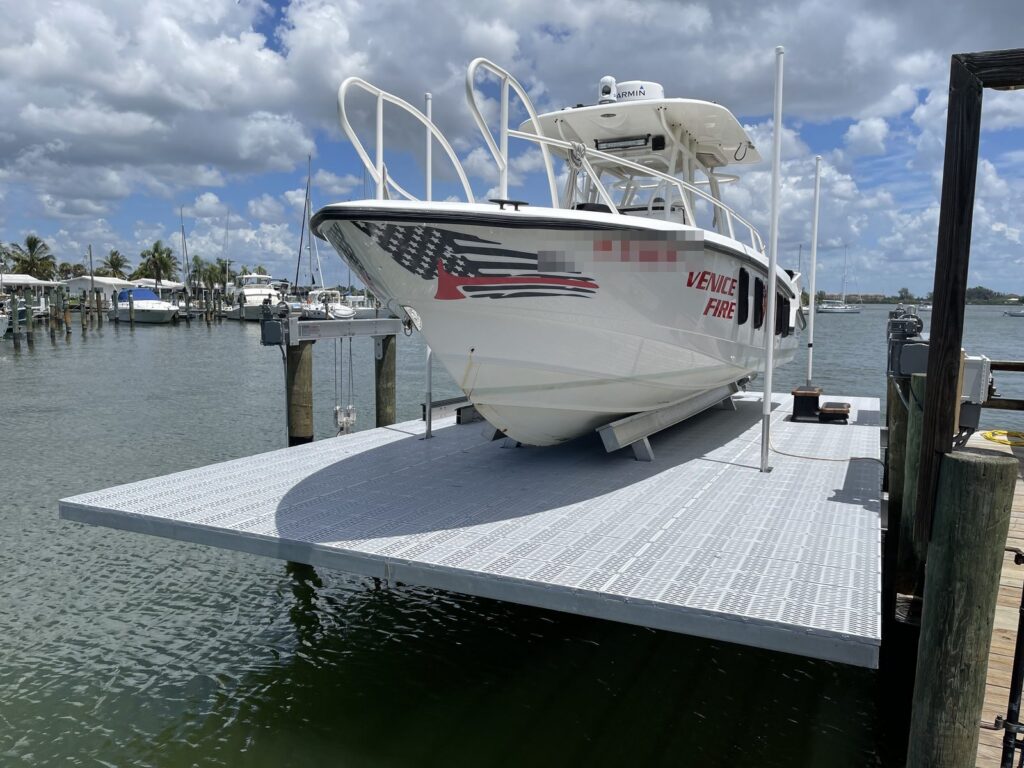
Lifts we have installed along this coast, from personal watercraft up to covered slips.
Frequently Asked Questions
What size boat lift do I need?
Size to the loaded weight of the boat, not the hull length. That is dry weight plus fuel, water, batteries and the gear that stays aboard. We work the number out with you before quoting and size above it.
What boat lift brands do you install?
Sea Mount and Hurricane. The bigger variable is the install, specifically whether the pilings are sized for the load and the lift is set to your vessel.
Do I need a permit for a boat lift?
It depends on the scope and on the rules at your address, which vary by municipality along this coast. We file it as part of the job. Where one is required, the general range we quote is two to three months and it varies by building department.
Can you repair a boat lift another company installed?
Yes. Cable and motor replacement, drive work, alignment and cradle repair, whether or not we built it. If the lift came with the house, we will assess it and tell you plainly whether repair or replacement is the better spend.
What are the warning signs that a lift needs attention?
Rust bleeding from the cable strands, uneven or hesitant travel under load, grinding from the drive, or visible wear where the cable runs over the sheave. Any of those, stop using it and book an inspection.
Are you licensed and insured?
Yes. We are a Florida Certified Specialty Contractor, license SCC131152520, and fully insured.
Do you install lifts for jet skis and personal watercraft?
Yes, along with pontoon boats, sailboats and large yachts. We build across the full range.
Is financing available for a boat lift?
Financing is available for qualified residential clients, subject to credit approval. Ask about it when you request your estimate. Commercial waterfront work is quoted differently, see commercial marine construction.
What areas do you cover?
Florida's Gulf Coast, centered on Bradenton and Sarasota, reaching from Pinellas and Hillsborough down through Manatee, Sarasota, Charlotte and Lee counties, plus the inland counties of DeSoto, Hardee, Highlands, Polk and Hendry.
Recent Blog Posts
- Bulging, Bowing, and Washouts: Diagnosing Waterfront Retaining Wall Repair Needs
- 3 Ways Retaining Walls Add Long-Term Value to Outdoor Spaces
- The Biggest Benefits of Adding a Retaining Wall to Your Landscape
- The Importance of Timely Seawall Repair for Waterfront Homes
- Why Cookie-Cutter Fails: Tailoring Custom Boat Docks to Your Watercraft
- Choosing the Right Type of Dock for Your Property